

Benefits of Microbiome Friendly Oral Care Explained
Table of Contents
- What Is the Oral Microbiome and Why It Matters
- Signs of an Imbalanced Oral Microbiome You Shouldn't Ignore
- Oral Microbiome and Systemic Health: The Connection You Need to Know
- The Core Benefits of Microbiome Friendly Oral Care
- How to Improve Your Oral Microbiome: A Practical Protocol
- Age-Specific Microbiome Friendly Oral Care Considerations
- How PROTEITH® Supports Microbiome Homeostasis
- Conclusion
Last Updated: August 27, 2026
What Is the Oral Microbiome and Why It Matters
The oral microbiome is the complex community of bacteria, fungi, viruses, and other microorganisms that inhabit your mouth, forming a dynamic ecosystem that plays a central role in both oral and systemic health. The mouth hosts hundreds of microbial species that maintain tissue integrity, regulate immune responses, and protect against pathogens. At PROTEITH®, we've built our entire product philosophy around supporting this ecosystem rather than disrupting it.
Most conventional oral care products treat bacteria as the enemy, an outdated framing causing real harm. The goal isn't to eliminate bacteria from the oral cavity, but to maintain the right balance between beneficial commensal bacteria and potentially harmful pathogenic species.
Commensal vs. Pathogenic Bacteria: The Balance That Drives Oral Health
Commensal bacteria like Streptococcus salivarius and Lactobacillus strains actively compete with pathogenic bacteria for binding sites and nutrients, producing compounds that keep harmful organisms in check. Pathogenic bacteria thrive when the microbial balance tips in their favor.
Microbial diversity is the clearest marker of a healthy oral microbiome. When diversity drops and aggressive species dominate, dysbiosis results: a state of microbial imbalance that drives inflammation, tissue breakdown, and systemic effects far beyond the mouth.
How Saliva, pH Balance, and Biofilm Shape Microbial Diversity
Saliva is the oral microbiome's primary support system, delivering antimicrobial proteins, buffering pH, and facilitating bacterial colonization of tooth and gum surfaces. When salivary glands produce adequate saliva, the oral environment maintains a near-neutral pH that favors commensal bacteria. When saliva production drops, from dehydration, medication, or stress, pH shifts acidic, and pathogenic bacteria seize the opportunity.
Biofilm is the thin, structured layer of microorganisms adhering to tooth surfaces. Healthy biofilm is protective; disrupted biofilm becomes a reservoir for pathogenic species that drive dental caries and periodontal disease.
Signs of an Imbalanced Oral Microbiome You Shouldn't Ignore
Oral dysbiosis rarely announces itself dramatically. It shows up as persistent symptoms most people dismiss as minor inconveniences until damage becomes harder to reverse.
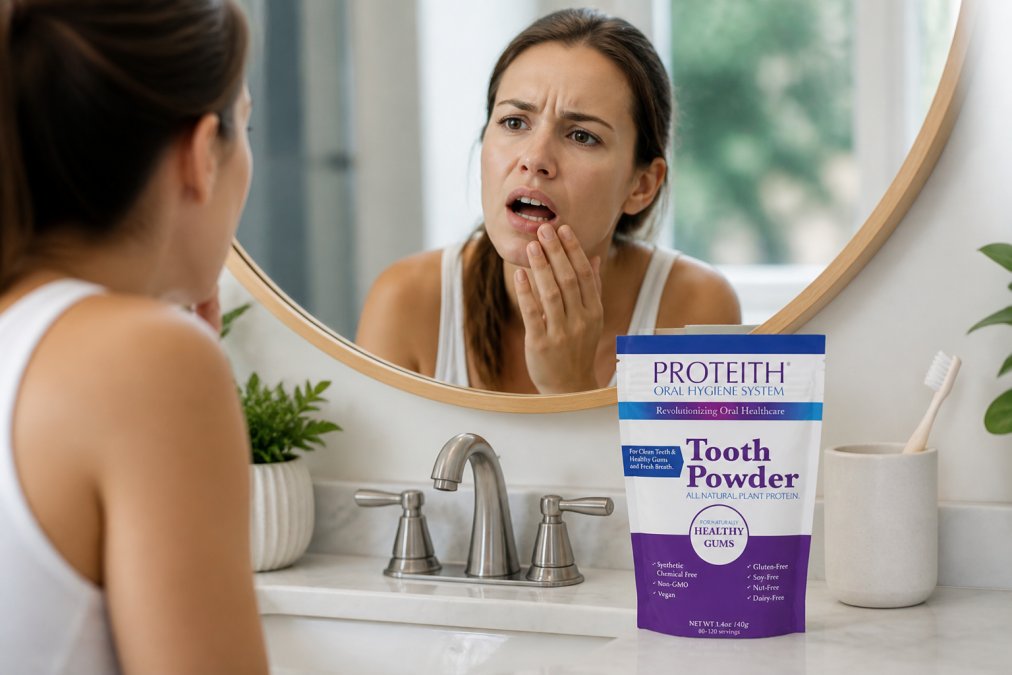
A common mistake is treating these symptoms in isolation rather than recognizing them as signals of deeper microbial imbalance. The most telling early indicators are persistent bad breath, bleeding gums, and recurring cavities despite consistent hygiene routines. These almost certainly signal dysbiosis, not inadequate brushing.
Gingivitis, Halitosis, and Dental Caries as Early Warning Signs
Gingivitis is inflammation of the gum tissue caused by pathogenic bacteria accumulating at the gumline. Left unaddressed, it progresses to periodontal disease, linked to bone loss and systemic inflammation throughout the body.
Halitosis is a direct byproduct of dysbiosis. Pathogenic bacteria produce volatile sulfur compounds that create persistent bad breath. No amount of mouthwash resolves halitosis caused by microbial imbalance because the underlying dysbiosis remains.
Dental caries develop when acid-producing bacteria, particularly Streptococcus mutans, dominate the biofilm and demineralize tooth enamel. High sugar intake accelerates this process by feeding the bacteria responsible for caries formation.
| Warning Sign | Underlying Cause | Microbiome Implication |
|---|---|---|
| Bleeding gums (gingivitis) | Pathogenic bacterial overgrowth | Dysbiosis at gumline |
| Persistent bad breath (halitosis) | Volatile sulfur compound production | Anaerobic pathogen dominance |
| Recurring cavities (dental caries) | Acid-producing bacteria in biofilm | Low pH, reduced commensal diversity |
| Chronic gum sensitivity | Inflammatory immune response | Sustained microbial imbalance |
Oral Microbiome and Systemic Health: The Connection You Need to Know
The mouth is not a sealed compartment. Bacteria and their metabolic byproducts enter the bloodstream through inflamed gum tissue, affecting organs and systems far removed from the oral cavity. Research published through the National Institutes of Health's National Library of Medicine has documented associations between periodontal disease and cardiovascular disease, diabetes, adverse pregnancy outcomes, and respiratory conditions. The mechanism is consistent: chronic oral inflammation feeds systemic inflammation.
How Oral Dysbiosis Triggers Systemic Inflammation
Dysbiosis in the oral cavity triggers a sustained immune response. The immune system mobilizes to address the pathogenic bacterial load at the gumline, releasing pro-inflammatory cytokines that circulate systemically, contributing to inflammatory conditions throughout the body.
Addressing oral microbiome imbalance is not just about protecting your teeth, it's a meaningful lever for managing systemic inflammation. According to the American Academy of Periodontology, the relationship between periodontal disease and systemic conditions is well-established. Immune modulation begins in the mouth.
The Core Benefits of Microbiome Friendly Oral Care
Microbiome friendly oral care supports, rather than disrupts, the natural microbial community of the mouth. The benefits extend across oral and systemic health and compound over time as the microbial ecosystem stabilizes.
Standard toothpastes and mouthwashes use antimicrobial agents, alcohol, triclosan, and high-concentration fluoride, that eliminate bacteria indiscriminately. Commensal bacteria are collateral damage, resulting in a depleted oral microbiota that's slower to recover and more vulnerable to pathogenic colonization.
Probiotic Strains and Prebiotics: Rebuilding Microbial Equilibrium
Probiotic strains introduced into the oral environment actively compete with pathogenic bacteria, occupying binding sites and producing bacteriocins that suppress harmful species. Oral prebiotics, typically fiber-based compounds, create conditions for commensal strains to thrive.
Oral probiotic strains must colonize the mouth, not pass through it. Formulations designed for oral use are specifically selected for their ability to adhere to oral tissues and establish a presence in the biofilm.
Key benefits of a microbiome-focused approach include:
- Reduced pathogenic bacterial load without depleting commensal populations
- Improved pH balance through acid-neutralizing activity of beneficial bacteria
- Reduced plaque accumulation through competitive exclusion of caries-causing species
- Fresher breath by addressing the microbial source of halitosis
- Reduced gingival inflammation and bleeding
- Stronger long-term microbial resilience through sustained diversity
Harmful Ingredients to Avoid in Conventional Products
Triclosan is a broad-spectrum antimicrobial agent that kills bacteria without discrimination, reducing microbial diversity and disrupting microbiome homeostasis. The FDA has taken regulatory action on triclosan in some consumer products.
Sodium lauryl sulfate (SLS) is a foaming agent that can irritate oral tissues and disrupt the mucosal barrier, making pathogenic bacterial colonization easier.
Alcohol-based mouthwashes reduce saliva production and lower oral pH, creating conditions that favor acid-tolerant pathogenic bacteria over commensal species.
Harsh abrasives damage enamel and gum tissue, creating micro-injuries that serve as entry points for pathogenic bacterial colonization.
How to Improve Your Oral Microbiome: A Practical Protocol
Improving your oral microbiome is a protocol built from consistent daily habits across diet, hygiene, and lifestyle. The oral microbiome responds relatively quickly to positive changes, often within weeks, because the mouth is a high-turnover environment.
Diet, Fiber, and Sugar Intake: Feeding the Right Bacteria
Diet is the most direct lever you have over your oral microbiota. Sugar intake feeds acid-producing pathogenic bacteria, accelerating dysbiosis and dental caries. A fiber-rich diet does the opposite: dietary fiber stimulates saliva production and feeds beneficial bacterial populations.
Practical dietary adjustments that support oral microbiome health:
- Reduce refined sugar and processed carbohydrates, which fuel S. mutans and other caries-associated bacteria
- Increase fiber-rich vegetables and whole foods that promote saliva flow and feed commensal species
- Include fermented foods that introduce beneficial bacterial strains
- Stay consistently hydrated to maintain salivary gland function
- Limit acidic beverages that shift oral pH and favor pathogenic colonization
As documented in the Harvard T.H. Chan School of Public Health's nutrition research, dietary patterns have measurable effects on microbial community composition, including the oral cavity.
Stress, Sleep, and Their Impact on Oral Flora
Chronic stress elevates cortisol, which suppresses immune function and reduces saliva production. Lower saliva output means less pH buffering, less antimicrobial protein activity, and a more hospitable environment for pathogenic bacteria. The connection between stress and periodontal disease is well-documented.
Sleep deprivation compounds these effects. During sleep, saliva production naturally decreases. Chronic poor sleep extends this low-saliva period and keeps cortisol elevated, creating sustained vulnerability for the oral microbiome.
Practical steps to protect oral flora:
- Maintain a consistent sleep schedule to regulate cortisol rhythms
- Use nasal breathing during sleep where possible, as mouth breathing significantly dries the oral environment
- Manage chronic stress through exercise, mindfulness, and adequate recovery
- Drink water before bed and upon waking to support saliva production
Age-Specific Microbiome Friendly Oral Care Considerations
The oral microbiome changes across the lifespan, and a single approach doesn't serve every age group equally well.
Children and adolescents have developing oral microbiomes that are highly responsive to dietary patterns. This is the window where sugar intake habits have the most lasting impact on microbial composition. Avoiding harsh antimicrobial agents during this period is particularly important.
Adults in midlife often experience cumulative effects of years of conventional oral care. Dysbiosis may be well-established, and the priority shifts to active microbiome restoration: introducing probiotic strains, removing harmful product ingredients, and addressing dietary patterns that have sustained pathogenic dominance.
Older adults face declining salivary gland function, and many medications reduce saliva production as a side effect. This creates compounding vulnerability. Microbiome friendly oral care should prioritize saliva support, gentle formulations, and regular monitoring for early signs of periodontal disease.
The throughline across all age groups is the same: support microbial diversity, avoid indiscriminate antimicrobial disruption, and address environmental factors that shift the balance toward dysbiosis.
How PROTEITH® Supports Microbiome Homeostasis
PROTEITH® was designed around a premise most oral care brands haven't engaged with: that a product can support oral health without disrupting the microbial community that makes oral health possible.
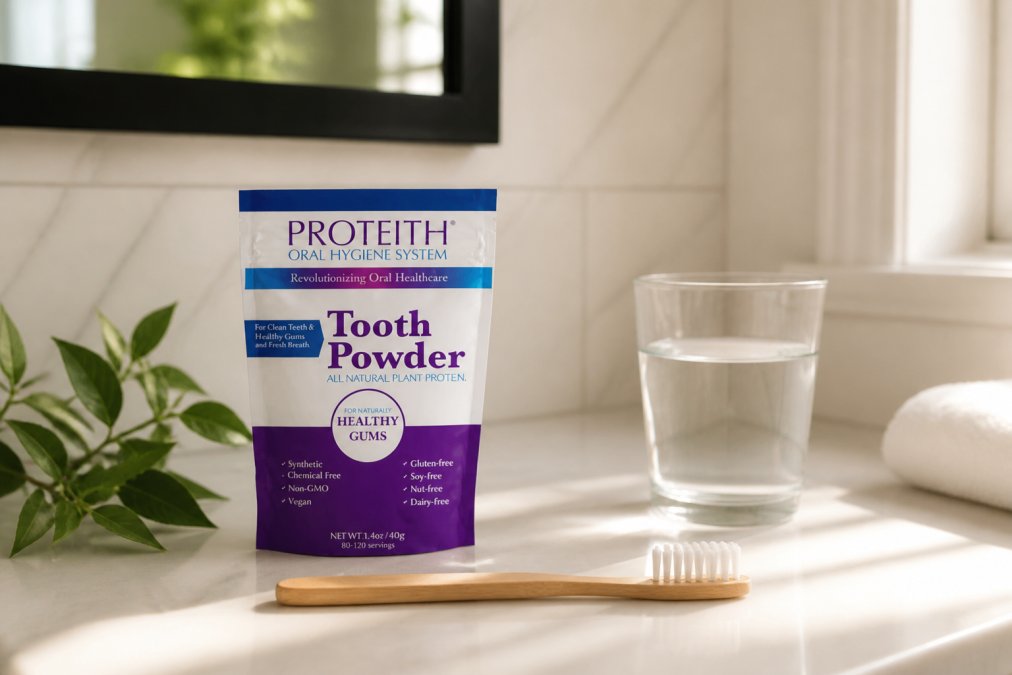
The PROTEITH® Oral Hygiene System uses breakthrough proteolytic technology and natural, microbiome-friendly ingredients to clean teeth and support gum health without harsh abrasives, alcohol, or broad-spectrum antimicrobial agents. It's free from the ingredients that drive dysbiosis.
What separates PROTEITH® from other natural oral care options is that it's clinically validated and doubles as a dietary supplement. The formulation supports systemic absorption, meaning benefits extend beyond the oral cavity to immune system support and long-term wellness.
The PROTEITH® Healthy Gums toothpowder is formulated for people experiencing gum sensitivity, bleeding gums, and chronic gum irritation. Users report fresher breath, cleaner teeth, and noticeable improvements in gum condition. The PROTEITH® Sport variant is designed for enhanced stain removal and immune system support, well-suited for active individuals who want their oral care routine to contribute to broader health goals.

Both products are fluoride-free, free from harsh abrasives, and formulated without artificial additives. For anyone searching for a genuinely microbiome friendly oral care option that is also vegan and plant-powered, these are the most substantively differentiated products currently available.
Chronic gum issues, persistent bad breath, and recurring dental problems are rarely solved by brushing harder or switching to a stronger mouthwash. The real issue is microbial imbalance, requiring a different kind of solution. PROTEITH® offers a clinically validated, microbiome-friendly approach built on proteolytic technology and natural ingredients, designed to restore microbial equilibrium while supporting systemic health through every use. Shop PROTEITH® and experience oral care that works with your biology, not against it.
Frequently Asked Questions
What does microbiome-friendly mean in oral care?
Microbiome-friendly oral care means the product supports the natural balance of bacteria in the oral cavity rather than wiping them out indiscriminately. Conventional products often contain antimicrobial agents like triclosan or alcohol that eliminate both harmful and beneficial commensal bacteria. A microbiome-friendly product avoids those disruptive ingredients, supports saliva production, and may include oral prebiotics or probiotic strains to encourage microbial diversity and microbiome homeostasis.
How does the oral microbiome affect overall health?
The oral microbiome and systemic health are closely linked. Dysbiosis, an imbalance in oral microbiota, allows pathogenic bacteria to enter the bloodstream through inflamed gum tissue, triggering systemic inflammation. Research associates chronic periodontal disease with cardiovascular issues, metabolic conditions, and immune response disruption. Keeping oral flora balanced reduces the bacterial load that can spread beyond the mouth, making oral hygiene a meaningful factor in long-term whole-body wellness.
Can probiotic toothpaste improve gum health?
Products containing probiotic strains can help restore microbial equilibrium in the oral cavity, which may reduce plaque accumulation, gingivitis, and halitosis. Beneficial bacteria compete with pathogenic bacteria for space on tooth surfaces and gum tissue, reducing biofilm formation. Results vary by individual and depend on consistent use alongside a fiber-rich diet and good oral hygiene routine. Always look for products that are clinically validated and free from harsh abrasives or antimicrobial agents that could counteract the probiotic benefit.
What ingredients should I avoid for a healthy oral microbiome?
Avoid sodium lauryl sulfate (SLS), alcohol-based rinses, triclosan, and artificial sweeteners, all of which can disrupt oral microbiota balance. High-abrasive formulas damage enamel and irritate gum tissue, worsening inflammation. Fluoride at high concentrations has antimicrobial properties that may reduce microbial diversity over time. For microbiome-friendly oral care, choose products free from harsh chemicals, synthetic preservatives, and artificial additives, and check whether the formula has been clinically validated before switching.
How can I naturally balance my oral bacteria?
To improve your oral microbiome naturally, reduce sugar intake to limit the fuel pathogenic bacteria need for dental caries. Eat a fiber-rich diet that feeds beneficial commensal bacteria and stimulates saliva production. Stay well-hydrated to maintain healthy salivary glands and pH balance. Manage stress and prioritize sleep, both of which directly affect immune modulation and bacterial colonization patterns in the mouth. Swap conventional products for microbiome-friendly alternatives that include oral prebiotics rather than broad-spectrum antimicrobial agents.
This article was written using GrandRanker

