

Foods to Avoid for Healthy Gums: A Guide
Table of Contents
- Why Your Diet Matters for Gum Health
- Sugary Foods and Drinks That Damage Gums
- Acidic Beverages and Foods That Erode Gum Tissue
- Sticky and Starchy Foods That Worsen Gum Disease
- Hard and Chewy Foods That Irritate Sensitive Gums
- Soft Foods for Sore Gums: What to Eat Instead
- Best Foods for Healthy Gums and How Timing Affects Risk
- Building a Gum-Friendly Routine Beyond Diet
- Frequently Asked Questions
Last Updated: October 20, 2026
Why Your Diet Matters for Gum Health
What you eat directly affects your gums: bacteria feed on certain foods and produce acids that damage gum tissue, causing inflammation, bleeding, and gum disease.
Sugary, acidic, or sticky foods feed the bacteria that attack your gums, which multiply and create plaque that hardens into tartar.
At PROTEITH®, we know supporting healthy gums starts with what you put in your mouth: your diet shapes your oral microbiome, and smarter choices reduce bacterial load and give gums a chance to heal.

This guide covers the specific foods to avoid for healthy gums, what to eat instead, why each food poses a risk, and how timing affects gum health.
Sugary Foods and Drinks That Damage Gums
Sugar is the enemy of healthy gums: bacteria convert it into acid within minutes, attacking gum tissue and enamel and creating an environment where gum disease thrives.
Foods and drinks to limit:
- Candy and sweets (lollipops, hard candy, chocolate)
- Desserts (cakes, cookies, pastries, ice cream)
- Sugary breakfast cereals
- Sweetened yogurt and flavored milk
- Soda and soft drinks
- Energy drinks and sports drinks
- Fruit juice (even 100% juice contains natural sugars)
- Sweetened coffee and tea drinks
- Honey and maple syrup (even though they're natural)
A single sugary snack feeds bacteria for up to 20 minutes, and grazing all day keeps gums under constant acid attack, weakening tissue and increasing inflammation.
Sticky candies are especially harmful because they cling to teeth longer, and hard candy can injure sensitive gums.
Acidic Beverages and Foods That Erode Gum Tissue
Acidic foods erode gum tissue directly, lowering mouth pH so harmful bacteria thrive, and unlike sugar, they attack immediately.
High-acid foods and drinks to avoid:
- Citrus fruits (lemons, limes, oranges, grapefruits)
- Citrus juices and lemonade
- Tomatoes and tomato-based sauces
- Pickled vegetables
- Vinegar and vinegar-based dressings
- Soda and carbonated beverages
- Sports drinks and energy drinks
- Coffee and black tea
- Wine and alcoholic beverages
- Sour candies
When gums are already inflamed or bleeding, acid intensifies pain, slows healing, and erodes the protective barrier around the gum line.
Carbonated drinks are particularly damaging because they combine sugar with carbonic acid: bacteria feed on the sugar while the acid weakens gum tissue.
Sticky and Starchy Foods That Worsen Gum Disease
Sticky and starchy foods stay in contact with your gums longer than other foods, turning a minor exposure into a real risk factor for gingivitis and periodontal disease.
Your gums form a narrow crevice, the gingival sulcus, where the tooth meets gum tissue, and residue lodged there feeds plaque-forming bacteria.
Sticky foods that cling to teeth and gums:
- Dried fruits (raisins, dates, dried cranberries), concentrated sugar plus a tacky texture that presses into the crevice between teeth and gums
- Peanut butter and nut butters, high fat and protein content makes them adhere to the gum line; choose unsweetened varieties
- Caramel and taffy, the most retentive candy texture; can pull at gum tissue and lodge under the gum line
- Granola and cereal bars, often combine sticky syrups with coarse particles that pack into interproximal spaces
- Bread and rolls, when chewed, refined bread forms a paste that presses into the sulcus
Starchy foods that break down into sugars:
- White bread and refined grains, salivary amylase begins converting starch to sugar within seconds of chewing
- Pasta and rice, small particles easily slip between teeth and under the gum line
- Crackers and pretzels, dry starches dissolve into a paste that coats the gum margin
- Potatoes and French fries, especially when fried, starch combines with oil to form a film that resists saliva rinsing
- Breakfast cereals, many are coated with sugar in addition to their starch content
- Chips and snack crackers, fragments lodge in the sulcus and dissolve slowly
What matters is not just the food but how long it stays in contact with gum tissue.
Practical swaps that reduce exposure:
- Instead of raisins or dried cranberries, choose fresh berries, they contain more water and less concentrated sugar, and they don't adhere to the gum line
- Instead of white bread, choose whole-grain bread with a coarser crumb that breaks down less into paste; even better, pair bread with a protein and fiber source to stimulate saliva
- Instead of crackers as a snack, choose cheese or plain nuts, they leave less residue at the gum margin
- Instead of caramel or taffy, choose a small square of dark chocolate, which melts and clears more readily than chewy candy
- Rinse with water immediately after eating sticky or starchy foods, and wait at least 30 minutes before brushing if the food was also acidic
Foods trapped between teeth create pockets where bacteria multiply undisturbed. Flossing removes the residue, but eating highly retentive foods less often is the more effective long-term strategy.
Hard and Chewy Foods That Irritate Sensitive Gums
If your gums are healthy, most hard and chewy foods are fine in moderation.
Hard foods that can stress inflamed gums:
- Hard candy and lollipops, the candy itself is a sugar problem, but the hard texture also presses against gum tissue and can chip or crack teeth
- Nuts in their shells, the shell fragments are sharp and can lacerate gum tissue
- Popcorn kernels, the hulls are notoriously sharp and frequently lodge in the sulcus, causing localized irritation and sometimes small abscesses
- Ice and frozen treats, chewing ice creates significant pressure on gum tissue and can fracture teeth
- Hard pretzels and chips, sharp edges can abrade swollen gums
- Crusty bread, the crust can be abrasive against tender gum tissue
Chewy foods that stress gum tissue:
- Jerky and dried meat, requires prolonged forceful chewing that compresses gum tissue
- Caramel and taffy, the combination of stickiness and chewiness pulls at the gum line
- Gum and mints, even sugar-free gum puts repeated pressure on gum tissue; if you have active gum disease, consider pausing it until inflammation resolves
- Tough cuts of meat, prolonged chewing fatigues gum tissue and can cause soreness
- Bagels and chewy bread, dense texture requires more force per bite than softer breads
When texture is a real concern versus a temporary one:
The practical question is whether your gums are actively inflamed.
PROTEITH® Oral Hygiene System for Healthy Gums – All-Natural Toothpowder →
People with active gum disease often find raw carrots, apples, and crusty bread uncomfortable for a period, then tolerate them again once bleeding and swelling subside.
Practical alternatives during a flare-up:
- Instead of raw carrots, choose cooked carrots or steamed vegetables, same nutrients, gentler texture
- Instead of apples, choose unsweetened applesauce or a soft pear
- Instead of crusty bread, choose soft whole-grain bread or a roll without a hard crust
- Instead of jerky, choose soft fish, eggs, or legumes for protein
- Instead of hard pretzels, choose a soft cheese or plain yogurt
- Swish some PROTEITH Healthy Gums toothpowder around your mouth a couple times a day. You will notice the difference within 24 hours.
When to see a dentist:
If bleeding, swelling, or soreness persists despite dietary changes and consistent oral hygiene, schedule a dental appointment.
Soft Foods for Sore Gums: What to Eat Instead
When your gums are sore or bleeding, eat soft foods that don't require aggressive chewing, reducing stress on gum tissue while still providing nutrition.
Best soft foods for sore gums:
- Cooked vegetables (steamed broccoli, spinach, squash, sweet potatoes)
- Leafy greens and salads with soft dressing
- Eggs and egg-based dishes
- Soft fish and salmon
- Yogurt (unsweetened, to avoid sugar)
- Smoothies made with unsweetened ingredients
- Oatmeal and soft grains
- Beans and legumes
- Avocado
- Soft cheese
- Bone broth and soups
- Mashed sweet potatoes
- Tofu and tempeh
Protein is especially important: your gums need amino acids to repair damaged tissue, and eggs, fish, and legumes provide it without hard chewing.
Unsweetened yogurt contains beneficial bacteria that support oral microbiome health; sweetened varieties feed harmful bacteria.
Best Foods for Healthy Gums and How Timing Affects Risk
Once your gums are healing, focus on foods that actively support gum health.
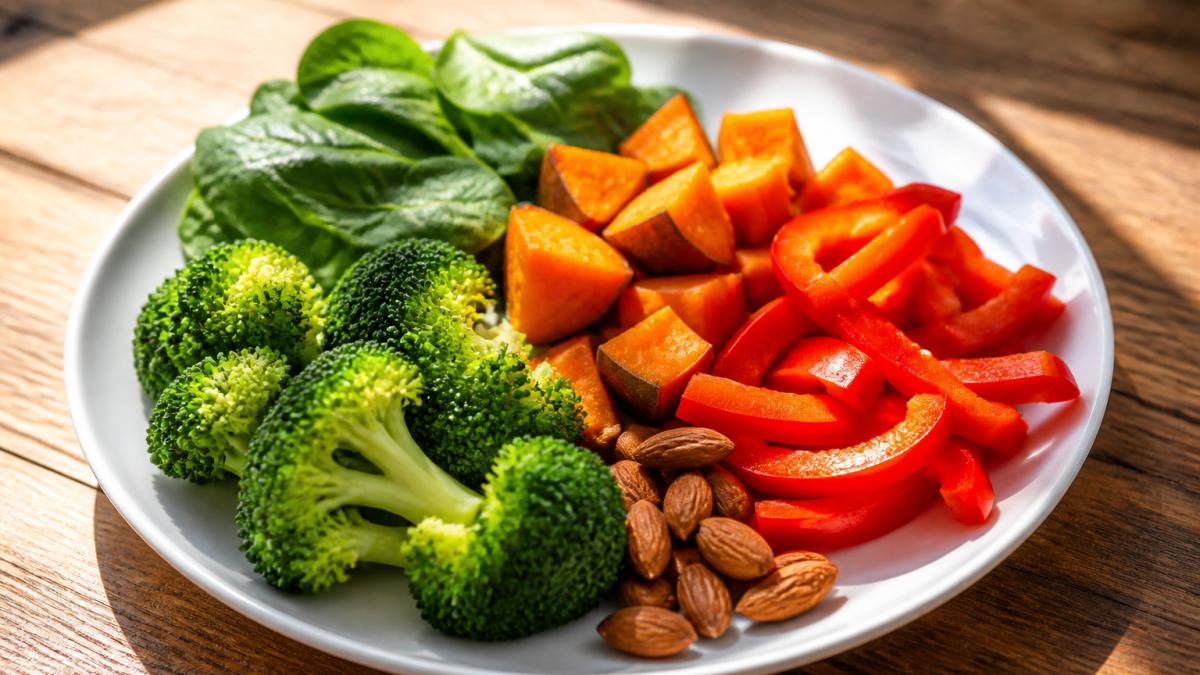
Foods that support gum health:
- Leafy greens (spinach, kale, collard greens), rich in vitamins and minerals
- Fatty fish (salmon, mackerel, sardines), contain omega-3 fatty acids that reduce inflammation
- Berries (blueberries, strawberries), packed with antioxidants
- Nuts and seeds (almonds, walnuts, flax seeds), provide minerals and healthy fats
- Bell peppers, high in vitamin C, which strengthens gum tissue
- Citrus fruits when eaten with meals, vitamin C supports gum health (eat with food to buffer acidity)
- Green tea, contains compounds that fight harmful bacteria
- Water, rinses away food particles and keeps gums hydrated
- Garlic, has antimicrobial properties
How timing affects risk:
Eating frequency matters as much as food choice. Constant snacking keeps your mouth acidic and feeds bacteria all day.
Eating sugary or acidic foods with meals is safer than eating them alone.
Time of day matters too.
Rinsing with water after eating helps. Wait 30 minutes before brushing to avoid damaging softened gum tissue.
Building a Gum-Friendly Routine Beyond Diet
Supporting healthy gums requires more than avoiding bad foods. Your daily routine matters just as much.
Three habits that protect gum health:
- Brush along the gum line with a soft-bristled toothbrush and gentle pressure. Angle the brush toward your gums, not perpendicular to your teeth.
- Floss or use an interdental cleaner daily. This removes food particles and bacteria your toothbrush can't reach.
- Use a product designed for gum health. PROTEITH® Oral Hygiene System for Healthy Gums offers a plant-powered, fluoride-free toothpowder with xylitol that supports your daily routine without harsh abrasives.
If bleeding, swelling, or soreness continues despite these changes, schedule a dental appointment, persistent symptoms may indicate gum disease that requires professional treatment.
The foods you avoid matter. The foods you choose matter more.
Supporting healthy gums starts with what you eat, but it doesn't end there. Your daily oral care routine is equally important.
Frequently Asked Questions
What foods are worst for gum disease?
Sugary foods and drinks, acidic beverages like soda and citrus juices, sticky candies, refined starchy foods like white bread and pasta, and hard or chewy foods all damage gums. Sugary items feed harmful bacteria that cause plaque buildup and inflammation. Acidic foods erode gum tissue and enamel. Sticky and starchy foods cling to teeth and break down into sugars. Hard foods can physically damage sensitive gums. Frequency matters as much as the food itself—eating these items throughout the day keeps your mouth in a damaging state longer than eating them once.
Can soft foods help if I have sore gums?
Yes. Soft foods for sore gums include smoothies, yogurt, applesauce, mashed vegetables, eggs, fish, and oatmeal. These options are gentle on irritated tissue while still providing nutrients your gums need to heal. Avoid foods that require aggressive chewing or have sharp edges. If your gums bleed or swell, a dental professional should assess whether you have gum disease requiring treatment beyond dietary changes. Soft foods support healing but don't replace professional care.
What are the best foods for healthy gums?
Best foods for healthy gums include leafy greens, fatty fish rich in omega-3s, berries, nuts, seeds, and dairy products. Leafy greens and berries contain antioxidants that reduce gum inflammation. Fatty fish provides omega-3 fatty acids that support gum tissue. Nuts and seeds offer minerals like calcium and magnesium. Dairy products strengthen tooth structure. Foods high in vitamin C, like bell peppers and kiwi, support collagen in gum tissue. Eating these foods regularly, combined with gentle brushing and flossing, creates an environment where gums stay healthy and resilient.
How does eating sugary foods throughout the day affect gum health differently than eating them once?
Frequency and timing significantly increase risk. When you eat sugary foods throughout the day, your mouth remains acidic and bacteria-rich for extended periods, giving harmful microorganisms constant fuel to produce acid and plaque. This prolonged exposure irritates gums and accelerates gum disease. Eating the same foods in one sitting, then rinsing and waiting hours before eating again, gives your mouth time to neutralize acid and recover. Limiting sugary and acidic items to mealtimes rather than snacking throughout the day protects gum health far more than the total amount consumed.

