

How to Improve Your Oral Microbiome: 2026 Guide
Table of Contents
- What Is the Oral Microbiome and Why It Matters
- Signs of Oral Dysbiosis You Should Not Ignore
- Step-by-Step: How to Improve Your Oral Microbiome Daily
- Foods for a Healthy Oral Microbiome
- Oral Probiotic Benefits and How to Get Them
- Common Mistakes That Wreck Oral Microbial Balance
- Conclusion
Last Updated: August 28, 2026
What Is the Oral Microbiome and Why It Matters
The oral microbiome is the complex community of microorganisms, bacteria, fungi, viruses, and archaea, that inhabit the mouth, including teeth, gums, tongue, cheeks, and throat. A healthy oral microbiome contains hundreds of commensal bacteria species in homeostasis, where beneficial microbes keep pathogens in check and support oral cavity function.
This balance matters far more than most people realize. The mouth is the gateway to the body, and the microbial community it harbors directly influences systemic health, from cardiovascular function to immune response. At PROTEITH®, we've built our entire product philosophy around one core principle: you cannot have a healthy body without a healthy mouth, and you cannot have a healthy mouth without a thriving oral microbiome.
The oral microbiome actively participates in digestion, regulates pH balance, produces antimicrobial compounds, and trains the local immune system. When that balance tips toward oral dysbiosis, a state where pathogenic bacteria outcompete commensal species, the consequences extend well beyond bad breath or bleeding gums.
According to the National Institute of Dental and Craniofacial Research, the oral cavity hosts over 700 species of bacteria, making it one of the most microbially diverse environments in the human body. Understanding how to improve oral microbiome health is therefore not just a dental concern, it is a whole-body health priority.
Signs of Oral Dysbiosis You Should Not Ignore
Oral dysbiosis is a measurable disruption in microbial balance, not just "bad oral hygiene." Common indicators include persistent bad breath that returns within hours of brushing, bleeding or inflamed gums despite regular brushing, a white or yellowish coating on the tongue, frequent mouth sores, dry mouth, increased plaque and tartar buildup, and a consistently acidic or metallic taste.
Many people treat these symptoms individually without addressing the root cause: microbial imbalance. A common mistake is confusing symptom management with microbiome restoration. They are not the same thing.
Oral Dysbiosis and Systemic Health Consequences
The link between oral dysbiosis and systemic disease is one of the most significant findings in modern medicine. Periodontal disease, driven by oral dysbiosis and biofilm accumulation, has been associated with cardiovascular disease, type 2 diabetes, and adverse pregnancy outcomes, as documented by the American Academy of Periodontology. The mechanism involves inflammatory mediators produced by pathogenic bacteria entering the bloodstream and triggering systemic inflammation.
The gut-mouth axis adds another layer. Swallowed oral bacteria influence gut microbiome composition, which in turn affects immune regulation, mood, and metabolic health. Oral dysbiosis is not a local problem; it is a systemic signal.
Gingivitis, the earliest stage of periodontal disease, is largely reversible with microbiome-focused interventions. Left unaddressed, it progresses to periodontitis, where bone loss becomes irreversible. The window for intervention is real, and it opens with recognizing these signs early.
Step-by-Step: How to Improve Your Oral Microbiome Daily
Restoring oral microbial balance requires a consistent, layered protocol. This is not about doing more of what you already do; it is about doing different things that target the microbiome specifically.
Step 1: Upgrade Your Oral Hygiene Routine
The biggest mistake most people make is using products that indiscriminately kill oral bacteria, both pathogenic and commensal. Antibacterial mouthwashes containing alcohol or chlorhexidine reduce microbial load broadly, wiping out beneficial species alongside harmful ones.
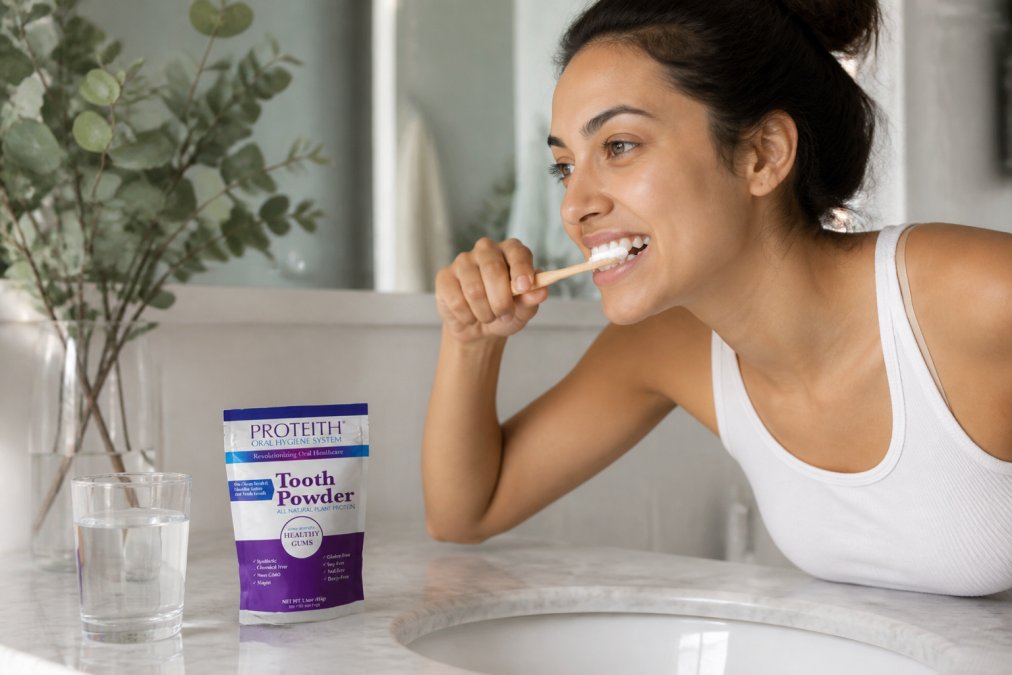
Upgrade your routine by switching to a fluoride-free, abrasive-free toothpowder or toothpaste that does not disrupt the microbial community, brushing for two full minutes twice daily at a 45-degree angle to the gumline, flossing daily, rinsing with water or saline rather than alcohol-based mouthwash, and replacing your toothbrush every three months.
PROTEITH®'s Oral Hygiene System uses breakthrough proteolytic technology with natural, microbiome-friendly ingredients, free from harsh abrasives and artificial additives. The Healthy Gums formula, available at $14.00, is specifically designed to support gum health without disrupting the commensal bacteria your mouth depends on.

Step 2: Add Tongue Scraping and Nasal Breathing
Tongue scraping is one of the most underused tools for oral microbiome health. The white coating on the tongue is largely a biofilm of bacteria, dead cells, and food debris. Scraping this layer each morning reduces the microbial load of anaerobic bacteria responsible for volatile sulfur compounds, the primary cause of bad breath.
Use a metal or copper tongue scraper, scraping from back to front in five to seven strokes. Mouth breathing, especially during sleep, drops saliva production and dries out the oral cavity. Saliva is the mouth's primary defense mechanism: it contains antimicrobial proteins, buffers pH, and physically washes away bacteria. Chronic mouth breathing creates a drier, more acidic environment where pathogenic bacteria thrive. Nasal breathing maintains saliva production and supports a more neutral oral pH. If you wake with a dry mouth or sore throat, nasal strips or evaluation by an ENT specialist are practical starting points.
Step 3: Test and Manage Your Mouth's pH Balance
A neutral to slightly alkaline oral pH (around 7.0 to 7.5) supports commensal bacteria. An acidic pH, typically below 5.5, triggers colonization by acid-tolerant pathogens like Streptococcus mutans, which produce acids that demineralize enamel.
Test your oral pH at home using pH strips designed for saliva. To raise oral pH toward a healthier range, drink water throughout the day, rinse with a diluted baking soda solution after acidic meals, reduce consumption of acidic beverages, and chew xylitol gum after meals.
Step 4: Check Your Medications for Oral Side Effects
Hundreds of commonly prescribed medications cause xerostomia (dry mouth) as a documented side effect. Antihistamines, antidepressants, antihypertensives, diuretics, and many others reduce saliva flow, directly impairing the oral microbiome's ability to maintain homeostasis.
Review your current medications for xerostomia as a listed side effect, discuss alternatives or timing adjustments with your prescribing physician, and use a prescription-strength saliva substitute if recommended. Never stop or adjust medication without medical guidance.
Foods for a Healthy Oral Microbiome
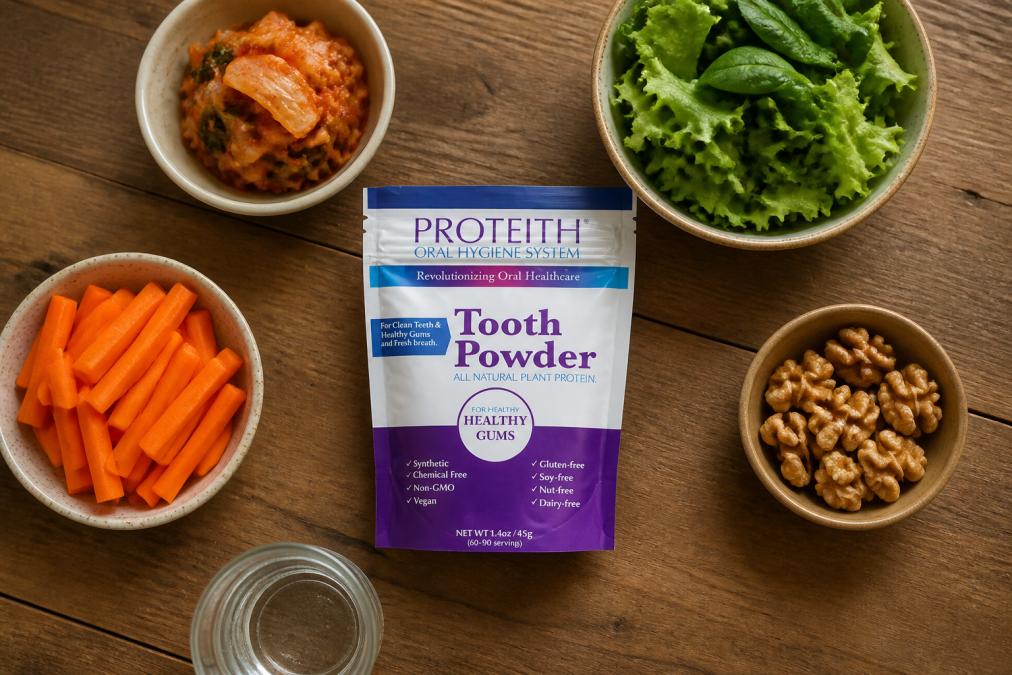
Diet is the most direct lever you have over your oral microbiome. Foods that support microbial diversity and oral health include fermented foods like yogurt and kefir, leafy greens high in nitrates, raw vegetables that stimulate saliva production, nuts and seeds providing vitamin K2, and consistent water intake.
What to Limit or Avoid
Refined carbohydrates and added sugars feed acid-producing bacteria directly. Streptococcus mutans and Lactobacillus species ferment simple sugars within minutes, dropping oral pH below the critical threshold for enamel demineralization. Sipping a sugary drink over two hours causes more sustained acid exposure than eating a dessert in ten minutes.
| Food/Habit | Impact on Oral Microbiome | Better Alternative |
|---|---|---|
| Sugary drinks sipped slowly | Prolonged acid exposure, feeds pathogens | Water with meals, herbal tea |
| Refined carbohydrates | Rapid fermentation, pH drop | Whole grains, vegetables |
| Alcohol-based mouthwash | Kills commensal bacteria broadly | Saline rinse, oil pulling |
| Frequent snacking | Prevents pH recovery between meals | Defined meal times, xylitol gum |
| Carbonated beverages | Acidic pH disrupts oral flora | Still water, green tea |
Alcohol reduces saliva production and directly disrupts the oral microbial community. Tobacco, in any form, is one of the most destructive agents for oral microbiome diversity.
Oral Probiotic Benefits and How to Get Them
Oral probiotics are strains of beneficial bacteria specifically selected to colonize the oral cavity. The most studied strains for oral health include Lactobacillus reuteri, Lactobacillus salivarius, and Streptococcus salivarius K12, species that produce antimicrobial compounds and compete with pathogens.
Oral probiotic benefits include reduction in pathogenic bacteria associated with gingivitis, improved breath by outcompeting volatile sulfur compound-producing anaerobes, support for a more neutral oral pH, and potential reduction in oral infections and ulcers.
Prebiotics matter too. Prebiotic compounds found in foods like chicory, garlic, and onions selectively feed beneficial bacteria, promoting microbiome diversity without introducing external strains. To get oral probiotic benefits, choose lozenges or chewable tablets over swallowed capsules, and hold them in the mouth until dissolved, ideally after brushing at night.
Common Mistakes That Wreck Oral Microbial Balance
Many "good" oral hygiene habits are actively harmful to the oral microbiome. The conventional dental advice most people follow was designed to reduce cavities and plaque, not to preserve microbial diversity.
Over-relying on antibacterial products like alcohol-based mouthwashes and chlorhexidine rinses reduces total microbial load without discrimination, allowing pathogenic bacteria to repopulate faster than commensal species. Brushing immediately after acidic meals causes mechanical enamel erosion; instead, rinse with water and wait 30 minutes. Psychological stress elevates cortisol, suppressing immune function and reducing saliva production, directly altering the oral microbial community. Research from the American Psychological Association's health resources confirms the connection between chronic stress and immune suppression.
Skipping water between meals reduces saliva flow, raises microbial load, and allows pH to drop. Using the same toothbrush for too long prevents effective biofilm disruption; replace every three months or sooner if you have been sick.
A microbiome-friendly approach like the PROTEITH® Sport formula, formulated for enhanced stain removal and immune system support without harsh chemicals, demonstrates that effective oral care does not require aggressive antibacterial intervention.

Chronic gum sensitivity, persistent bad breath, and recurring oral discomfort are often signs of a deeper microbial imbalance, not a personal hygiene failure. PROTEITH® was built specifically to address this gap: a clinically validated oral hygiene system that uses proteolytic technology and natural, microbiome-friendly ingredients to support a healthier oral environment without disrupting the commensal bacteria your mouth depends on. The Healthy Gums and Sport formulas support gum health, reduce tartar-contributing bacteria, freshen breath, and bolster systemic wellness through a product that works as both an oral hygiene product and a dietary supplement. Shop PROTEITH® and give your oral microbiome the foundation it needs to thrive.
Frequently Asked Questions
How can I restore my mouth microbiome after it has been disrupted?
Start by eliminating the most common disruptors: antibacterial mouthwashes with alcohol, refined sugar, and mouth breathing. Reintroduce beneficial bacteria through fermented foods and oral probiotics formulated with strains like Streptococcus salivarius. Consistent tongue scraping, hydration to support saliva production, and switching to a microbiome-friendly oral care product, free from harsh abrasives and artificial additives, give commensal bacteria the conditions they need to recolonize and restore balance.
What are the signs of an unhealthy oral microbiome?
The most common signs of oral dysbiosis include persistent bad breath that does not resolve with brushing, bleeding or inflamed gums, a white or yellow coating on the tongue, frequent mouth sores, and a dry or sticky feeling in the mouth. Recurring cavities despite regular brushing can also signal that pathogenic bacteria have overtaken beneficial strains. If several of these appear together, the oral microbiome has likely shifted out of homeostasis and needs active support.
Does diet really affect the oral microbiome?
Diet is one of the strongest drivers of microbial community composition in the mouth. Refined carbohydrates and added sugars feed acid-producing bacteria, lowering pH and encouraging oral dysbiosis. On the other side, fiber-rich vegetables act as prebiotics, fermented foods introduce beneficial strains, and nutrients like vitamin K2 support the tissue environment where oral flora live. Reducing sugar intake while increasing whole, plant-based foods produces measurable shifts in microbial load and diversity.
What are oral probiotic benefits compared to gut probiotics?
Oral probiotics are formulated to colonize the mouth and throat rather than the gut, targeting the specific bacterial communities responsible for gingivitis, bad breath, and biofilm formation. Unlike swallowed gut probiotics, oral probiotics, typically lozenges or powders held in the mouth, introduce strains that compete directly with pathogenic bacteria in the oral cavity. Regular use supports saliva production, reduces inflammation, and may lower the risk of periodontal disease by reinforcing the balance of commensal bacteria.

