

How to Strengthen Tooth Enamel Naturally at Home
Last Updated: October 27, 2026
Quick Summary
Natural ways to strengthen tooth enamel include eating calcium- and phosphate-rich foods, timing acidic drinks with meals, using fluoride or remineralizing toothpaste, and staying hydrated to support saliva. These habits can partly rebuild early mineral loss, but they cannot regrow enamel that is already gone.
- Eat dairy, leafy greens, and nuts for calcium, phosphate, and vitamin D.
- Avoid sipping soda or citrus all day; take acidic foods with meals instead.
- Wait about 30 minutes after acidic foods before brushing.
- Use fluoride or hydroxyapatite toothpaste, and stop any that cause burning or stinging.
- Schedule a dental check if sensitivity is sharp, lasts weeks, or affects one tooth.
Table of Contents
- How Tooth Enamel Loses Minerals and Whether It Can Repair
- Step 1: Build Enamel-Supporting Foods Into Your Daily Meals
- Step 2: Choose a Toothpaste for Enamel and Sensitive Teeth
- Step 3: Support Saliva, Hydration, and Daily Brushing Habits
- How Long Tooth Remineralization Takes and How to Track Progress
- Causes of Tooth Sensitivity That Need a Dental Diagnosis
- Booking Your Next Enamel and Sensitivity Check
- Frequently Asked Questions
How Tooth Enamel Loses Minerals and Whether It Can Repair
Natural ways to strengthen tooth enamel start with understanding what enamel actually is. Enamel is the hard outer layer of your teeth, and it is mostly mineral. Every time you eat or drink something acidic or sugary, bacteria in your mouth produce acid that pulls minerals out of that layer. This process is called demineralization. American Dental Association overview of enamel and tooth decay
The short answer is that enamel can partly recover, but only under the right conditions.
What Tooth Remineralization Actually Means
Tooth remineralization is the process of putting minerals such as calcium and phosphate back into weakened enamel. Saliva plays the main role here, because it carries these minerals to the tooth surface. Fluoride and some remineralizing toothpastes can speed up the process.
A common misunderstanding is that remineralization rebuilds enamel like new. It does not. It strengthens the surface layer and can make early damage less severe.
What Remineralization Can and Cannot Reverse
Remineralization works best on early, surface-level damage, such as white spots or mild softening. It cannot regrow a hole, replace a missing chip, or undo advanced decay. Once enamel is physically gone, only a dental professional can restore it.
- Can help: early mineral loss, mild surface softening, reduced sensitivity over time
- Cannot fix: cavities, cracks, worn-away enamel, exposed roots
Step 1: Build Enamel-Supporting Foods Into Your Daily Meals
Food is one of the most practical tools you have. Mineral-rich foods give your body the building blocks it needs, and they help your saliva do its job.
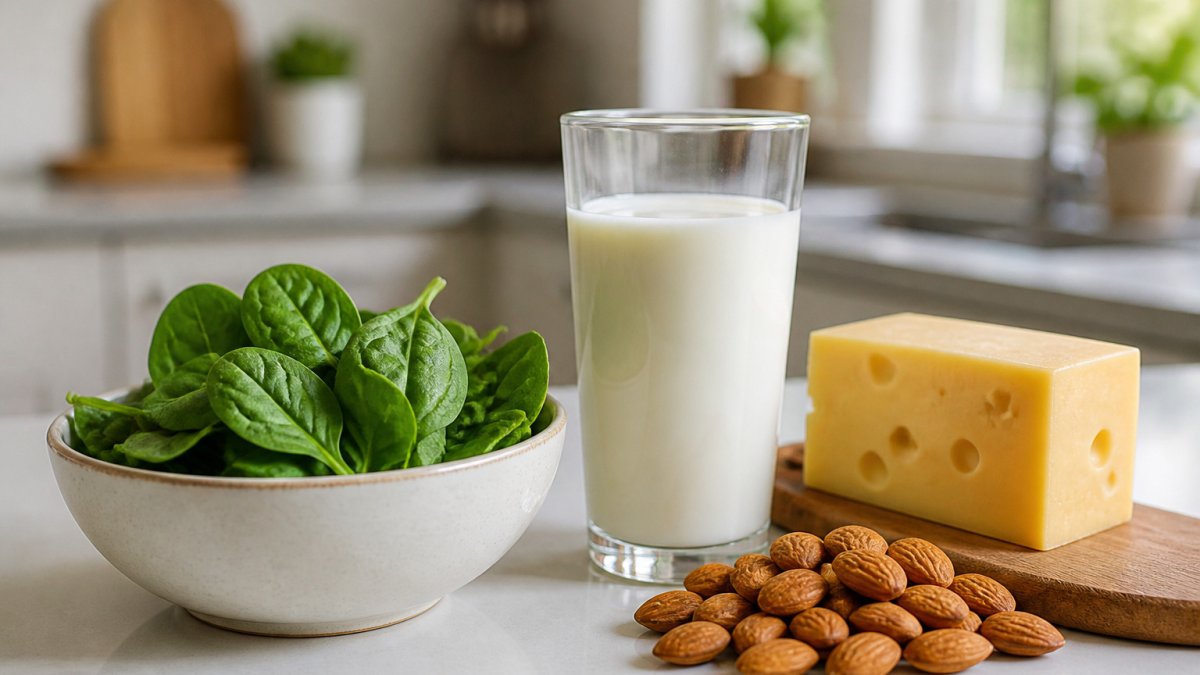
Calcium, Phosphate, and Vitamin D Sources
Good everyday sources include:
- Dairy: milk, plain yogurt, and cheese
- Leafy greens: kale, spinach, and bok choy
- Almonds and other nuts
- Fortified foods that add vitamin D and calcium
According to the National Institutes of Health Office of Dietary Supplements, adults need a steady daily intake of calcium and vitamin D for overall bone health. NIH Office of Dietary Supplements fact sheets
Timing Acidic Foods and Drinks
What you eat matters, but so does when you eat it. Sipping soda or citrus all day keeps enamel under constant acid attack. Instead, eat acidic foods with meals, when saliva flow is higher. Afterward, wait about 30 minutes before brushing, since acid softens enamel temporarily.
Step 2: Choose a Toothpaste for Enamel and Sensitive Teeth
Your toothpaste is the single most repeated exposure your enamel gets, so the choice matters more than most people assume. The two active ingredients worth understanding are fluoride and hydroxyapatite, and they work in different ways.
PROTEITH® Oral Hygiene System for Healthy Gums – All-Natural Toothpowder →
Fluoride, Hydroxyapatite, and Fluoride-Free Options
Fluoride works by binding to the tooth surface and forming fluorapatite, a mineral that is harder and more acid-resistant than the hydroxyapatite naturally found in enamel. That is why the American Dental Association has long recognized fluoride toothpaste as effective for cavity prevention. Most over-the-counter fluoride toothpastes in the United States contain 1,000 to 1,500 parts per million (ppm) of fluoride; the ADA Seal of Acceptance appears on products that meet its safety and efficacy criteria. ADA Seal of Acceptance product database
For a plant-based option, the PROTEITH® Oral Hygiene System for Healthy Gums - All-Natural Toothpowder is one product to consider. It is fluoride-free and made with xylitol.

Ingredient and Product-Use Guidance
- Wait after acid: If you have had citrus, soda, or wine, wait about 30 minutes before brushing. Acid temporarily softens enamel, and brushing too soon can scrub away mineral.
The two main active ingredients in enamel toothpastes work differently, as the table below shows.
| Ingredient | How it works | Typical strength |
|---|---|---|
| Fluoride | Forms fluorapatite, which resists acid | 1,000 to 1,500 ppm |
| Hydroxyapatite | Mineral that helps repair enamel | Varies by product |
| Fluoride-free option | Plant-based, no fluoride | Example: PROTEITH® toothpowder |
Step 3: Support Saliva, Hydration, and Daily Brushing Habits
- Drink water throughout the day, especially after meals
- Chew sugar-free gum to stimulate saliva flow
- Brush twice daily with a soft-bristled brush
- Floss or use an interdental cleaner once a day
- Limit sugary snacks and sipping between meals
How Long Tooth Remineralization Takes and How to Track Progress
Most people want a timeline, and the honest answer is that it depends on how much mineral was lost and how consistently you change your habits. What follows is a realistic framework, not a guarantee.
What to Expect Week by Week
- Months 2 to 6: Meaningful strengthening of the surface layer typically takes months of daily habits. Most practitioners find that patients who stick with the routine see the clearest change by the three-month mark.
Why Symptom Relief Is Not the Same as Regrowth
A dentist can assess changes you cannot see at home, including whether white spots are active or arrested and whether exposed root surfaces are progressing. That is why a professional check is the only reliable way to confirm progress.
A Simple Progress Log
- Trigger sensitivity: Note which foods or temperatures cause discomfort and how intense it is on a 1-to-10 scale.
- Visual changes: Photograph white spots or discoloration in the same lighting each week.
- Habit consistency: Mark whether you brushed twice, flossed once, and used your remineralizing toothpaste.
- New symptoms: Record any sharp pain, pain that lingers, or pain isolated to one tooth, these are red flags, not routine sensitivity.
When to Stop Waiting and Get Assessed
Schedule a dental evaluation if you see new white spots, notice a dark spot or pit, have pain that wakes you up, or feel sensitivity that lasts more than a few seconds after a trigger is removed. A dentist can tell the difference between ordinary sensitivity and something that needs treatment, and that distinction is the most important step in protecting your enamel long term. Maintaining a rigorous oral hygiene routine remains the most effective way to remove plaque buildup before it compromises the structural integrity of your teeth.
Causes of Tooth Sensitivity That Need a Dental Diagnosis
Sensitivity is not always a sign of enamel loss. It can come from cavities, cracked teeth, gum recession, or worn fillings. If sensitivity is sharp, lasts longer than a few weeks, or affects only one tooth, schedule a dental evaluation. Self-treatment can hide a problem that needs care.
Booking Your Next Enamel and Sensitivity Check
Home habits matter, but they work best alongside professional care. Schedule a checkup if sensitivity persists, if you see white spots or discoloration, or if your gums bleed when you brush. A dentist can confirm what is happening and recommend the right next step for your teeth.
Frequently Asked Questions
What deficiency causes tooth sensitivity?
Low calcium and low vitamin D intake are the nutritional gaps most often linked to weaker enamel and sensitivity, because both affect how well the body builds and maintains mineralized tooth structure. However, a diet deficiency is rarely the only cause. Worn enamel, gum recession, cracks, and cavities also expose the dentin underneath. If sensitivity is persistent, a dentist can check whether a nutritional gap, a dental problem, or both are involved, and a blood test can confirm whether vitamin D levels are low.
Can you naturally remineralize teeth?
Teeth can take up minerals such as calcium and phosphate from saliva, and this process can repair early, surface-level enamel loss. Diet, saliva flow, fluoride, and brushing habits all influence that balance. Natural approaches can support remineralization, but they cannot rebuild enamel that is already gone or repair a cavity. Early mineral loss is the stage where these habits matter most, and a dental evaluation helps determine how far the damage has progressed.
How long does it take to remineralize teeth?
Early surface changes may show improvement within a few weeks of consistent care, but the timeline varies widely based on how much mineral has been lost, saliva flow, diet, and the products used. Remineralization is gradual, and it is not a fixed timeline you can promise. Track progress by noting changes in sensitivity and by having your dentist check the enamel at routine visits, rather than relying on how teeth look at home.
When should tooth sensitivity be checked by a dentist?
See a dentist if sensitivity lasts more than a few weeks, is sharp or getting worse, affects only one tooth, or comes with visible cracks, swelling, or pain when biting. Sensitivity can signal cavities, cracked teeth, gum recession, or worn enamel, and some of these need treatment rather than toothpaste alone. Bleeding gums that persist despite gentle brushing also warrant an appointment.


