

Natural Dog Breath Freshener Safe for Daily Use
Table of Contents
- What Causes Bad Breath in Dogs
- Natural Ingredients That Support Oral Health
- How to Remove Tartar From Dog Teeth Naturally
- Safe Dog Dental Water Additives for Oral Care
- Ingredients to Avoid in Dog Oral Care Products
- When to Consult Your Veterinarian
- Building a Natural Dog Breath Freshener Routine
- Frequently Asked Questions
Last Updated: September 19, 2026
What Causes Bad Breath in Dogs
A natural dog breath freshener can help, but bad breath in dogs isn't just unpleasant, it often signals an underlying issue with oral hygiene. The primary culprit is plaque buildup, which accumulates on teeth and hardens into tartar over time. When bacteria colonize these deposits, they release compounds that create that distinctive foul odor. (Source: studies on the efficacy of enzymatic toothpastes)
Without intervention, plaque transforms into tartar within days, irritating gums and leading to gingivitis and periodontal disease.
Several factors accelerate the problem:
- Small breed dogs have crowded teeth, trapping food and bacteria
- Soft food diets don't provide mechanical cleaning
- Lack of chewing activity allows plaque to accumulate unchecked
- Age increases tartar buildup and gum recession
- Poor oral hygiene routines compound the issue
Dogs with poor digestion sometimes develop bad breath originating in the gut, so addressing oral cavity health comprehensively matters.
Natural Ingredients That Support Oral Health
Enzymatic toothpastes and their role in plaque reduction
Enzymatic toothpastes use natural enzymes like glucose oxidase and lactoperoxidase to break down bacterial biofilm, reducing harmful bacteria without harsh chemicals (pubmed.ncbi.nlm.nih.gov). They're gentler on gums than abrasive formulas.
PROTEITH®'s approach leverages breakthrough proteolytic technology, targeting the protein structures bacteria use to attach to teeth. This mechanism addresses both existing plaque and helps reduce bacteria that contribute to tartar.
Antimicrobial plant extracts for bacterial control
Plant-based antimicrobials like neem, oregano oil, and green tea inhibit bacterial growth and reduce inflammation. Neem reduces harmful bacteria while maintaining beneficial microbes. Oregano oil's carvacrol and thymol combat bad breath and tartar formation. Green tea polyphenols prevent plaque adhesion, a preventative approach more effective than removing tartar after formation.
Natural antimicrobial ingredients to look for:
- Neem extract for gum health
- Oregano oil for bacterial control
- Green tea polyphenols for prevention
- Peppermint for breath freshening
How to Remove Tartar From Dog Teeth Naturally
Step-by-step brushing desensitization for dogs resistant to dental care
Most dog owners struggle with getting their dog to accept brushing. A structured desensitization protocol breaks brushing into tiny, reward-based steps over 2-4 weeks, removing fear and building positive association.
Week 1: Mouth handling without tools
- Days 1-2: Gently lift your dog's lip for 2-3 seconds, reward immediately with high-value treats (chicken, cheese, or a toy). Repeat 3-5 times daily.
- Days 3-4: Touch the outer surface of front teeth with your finger for 1-2 seconds, reward immediately.
- Days 5-7: Gently rub the gum line with your finger for under 10 seconds, reward generously.
If your dog pulls away, return to the previous step. Never force it.
Week 2: Introduce toothpaste flavor
- Days 8-9: Place enzymatic toothpaste on your finger, let your dog lick it off. Repeat 2-3 times daily.
- Days 10-11: Rub a small amount along the outer gum line with your finger for 5-10 seconds.
- Days 12-14: Continue finger rubbing, gradually increasing to 15-20 seconds.
Week 3: Introduce the toothbrush
- Days 15-16: Show your dog the soft-bristled toothbrush, let them lick toothpaste off the bristles. Reward heavily.
- Days 17-18: Place the brush against front teeth for 1-2 seconds, remove and reward. Repeat 2-3 times.
- Days 19-21: Make 1-2 small circular motions at the gum line, remove and reward. Gradually increase to 3-5 motions.
Week 4: Build to full brushing routine
- Days 22-24: Brush front teeth outer surfaces for 10-15 seconds, reward.
- Days 25-26: Expand to side teeth, 20-30 seconds total, reward.
- Days 27-28: Add back molars, 40-50 seconds total, reward.
- Day 29+: Aim for 1-2 minutes total on outer surfaces where plaque accumulates fastest.
Critical timing and reward strategy
Reward immediately after each step (within 1-2 seconds) so your dog connects brushing to the reward. Choose high-value rewards like chicken or cheese. Consistency matters more than duration: a 30-second daily session outperforms a 5-minute weekly one. Set a specific time and stick to it.
Troubleshooting resistance
If your dog shows fear or aggression, pause and return to the previous step for 2-3 days. Never force brushing. Dogs with past negative experiences may need 6-8 weeks. If your dog has gum pain or loose teeth, schedule a veterinary exam first, treating underlying disease makes training faster and more humane.
Daily dental hygiene routine with natural products
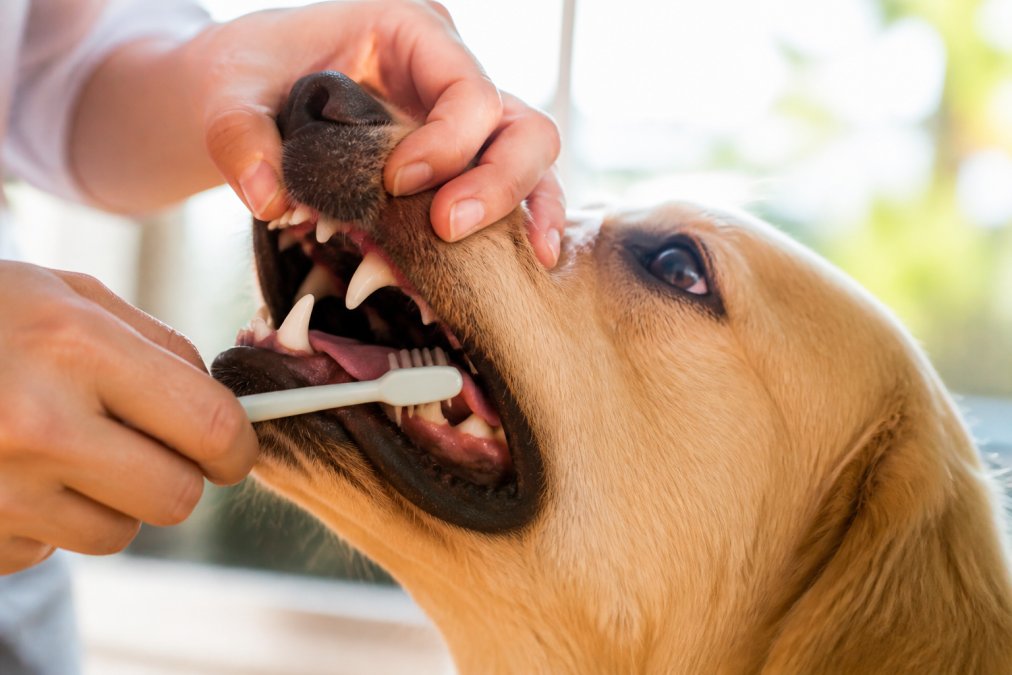
Use a soft-bristled toothbrush with gentle circular motions along the gum line for 1-2 minutes total. Focus on outer surfaces where plaque accumulates fastest; inner surfaces are naturally cleaned by the dog's tongue. Consistency matters more than perfection, a daily routine you can maintain indefinitely is key.
Benefits of dental chews for mechanical cleaning
Dental chews provide mechanical cleaning between brushing sessions. Look for firm, textured chews that take 10-15 minutes to consume, soft chews don't provide enough abrasive action. Natural single-ingredient chews (dried yak cheese, sweet potato) avoid artificial additives while providing mechanical action.
PROTEITH® Oral Hygiene System for →
Safe Dog Dental Water Additives for Oral Care
Water additives support oral health passively by adding antimicrobial benefits to drinking water. Quality safe dog dental water additives contain natural antimicrobial agents without alcohol or artificial sweeteners. They continuously reduce bacterial populations throughout the day, benefiting dogs resistant to brushing.
Look for natural antimicrobial ingredients (neem, oregano, green tea), no alcohol or artificial sweeteners, and clear dosage instructions. Add daily to fresh water and use consistently alongside brushing and dental chews.
Ingredients to Avoid in Dog Oral Care Products
Many commercial products contain harmful ingredients. Xylitol is highly toxic to dogs, causing severe hypoglycemia, check labels carefully. Alcohol irritates gum tissue and causes chemical burns. Artificial colors, flavors, and sweeteners provide no benefit and can trigger allergic reactions or digestive upset.
When to Consult Your Veterinarian
Differentiating normal bad breath from serious health indicators
Normal dog breath is mild and slightly unpleasant, improving within 2-3 weeks of consistent brushing. Warning-sign bad breath smells putrid, fruity, ammonia-like, or chemically offensive, indicating underlying disease, not simple plaque buildup.
Oral disease produces a foul, rotting-meat smell with signs including red/swollen/bleeding gums, loose teeth, pus discharge, difficulty eating, excessive drooling, and behavioral changes suggesting pain. This requires professional veterinary cleaning, natural products cannot reverse bone loss or treat active infection. Delaying care risks spreading infection to the heart, kidneys, and liver.
Kidney disease produces ammonia-like or urine-like breath with signs including increased thirst/urination, weight loss, lethargy, vomiting, and pale gums. This is progressive and life-threatening. Veterinary diagnosis and treatment are essential, natural products won't address the underlying condition.
Fruity-smelling breath indicates diabetes (a medical emergency) with signs including increased thirst/urination, weight loss despite increased appetite, lethargy, cloudy eyes, and hind leg weakness. Diabetes requires insulin therapy and dietary management, seek veterinary care immediately.
Sweet, musty, or sulfur-like breath indicates liver disease with signs including jaundice, vomiting, loss of appetite, lethargy, abdominal swelling, and dark urine or pale stools. Liver disease requires veterinary diagnosis and treatment, natural products cannot reverse liver damage.
Untreated oral infections spreading to sinuses create foul, nasal discharge smell with signs including nasal discharge, sneezing, facial swelling, fever, and lethargy.
Breed-specific dental predispositions and when to be more vigilant
Small breeds (Chihuahuas, Yorkies, Maltese, Pomeranians, Toy Poodles) have crowded teeth where food and bacteria trap easily. Small-breed owners should begin brushing by 6-12 months, brush daily, schedule veterinary exams twice yearly, use water additives, and monitor for loose teeth.
Senior dogs (over 7 years)
Senior-dog owners should:
- Increase brushing frequency if possible
- Use water additives and dental chews as primary preventative tools
- Schedule veterinary exams twice yearly
- Discuss anesthesia-free cleaning options with your veterinarian if professional cleaning becomes necessary
- Monitor for systemic disease signs more carefully (kidney disease, diabetes, and liver disease are more common in seniors)
When professional veterinary care is non-negotiable
Schedule a veterinary appointment if your dog shows any of these signs:
- Persistent bad breath despite 4+ weeks of consistent home care
- Red, swollen, or bleeding gums
- Loose or missing teeth
- Difficulty eating or chewing
- Excessive drooling
- Behavioral changes suggesting mouth pain
- Ammonia-like, fruity, or chemically offensive breath (not just "doggy" odor)
- Nasal discharge or facial swelling
- Lethargy, weight loss, or changes in thirst/urination alongside bad breath
Building a Natural Dog Breath Freshener Routine
A sustainable routine combines multiple approaches into a simple daily system. This prevents overwhelm while maximizing results.
Building your routine step-by-step:
- Week 1-2: Introduce toothbrush desensitization
- Week 3: Begin daily 1-minute brushing sessions
- Week 4: Add dental chews to the routine
- Week 5: Introduce water additives
- Week 6+: Maintain full routine consistently
Frequently Asked Questions
What can I use to freshen my dog's breath naturally?
Natural dog breath fresheners include enzymatic toothpastes, dental chews with crunchy textures that provide mechanical cleaning, water additives formulated with antimicrobial plant extracts, and daily brushing. Products like PROTEITH® Oral Hygiene System use proteolytic technology and natural ingredients to reduce the bacteria that contribute to halitosis while supporting oral hygiene. Consistent daily maintenance with these methods addresses both the symptoms and underlying causes of bad breath.
How do safe dog dental water additives work for oral health?
Safe water additives for dogs contain antimicrobial properties that reduce bacterial growth in the oral cavity without harsh chemicals. These additives work by creating an environment less favorable for odor-causing bacteria. They're designed for daily use and support preventative care by reducing tartar accumulation and maintaining a healthier oral microbiome. Always choose products specifically formulated for dogs and free from toxic ingredients.
Are natural dog breath fresheners as effective as professional cleaning?
Natural products support oral health and can significantly reduce tartar buildup and bad breath when used consistently, but they work best as preventative care rather than replacements for professional veterinary cleaning in advanced cases. Products with enzymatic action and antimicrobial properties help maintain dental health between vet visits. If your dog has significant tartar accumulation or periodontal disease, consult your veterinarian about whether professional cleaning is necessary alongside natural daily care.
How long does it take to see results with natural dog breath fresheners?
With consistent daily use, many pet owners observe improvements in breath and oral hygiene. Results depend on starting conditions, your dog's breed-specific dental predispositions, and adherence to a daily routine. Tartar reduction takes longer and is gradual. Maintaining consistent daily dental hygiene with natural ingredients supports long-term oral health and helps prevent the progression of gingivitis and periodontal disease.

