

Natural Ingredients for Gum Repair: What Works
Table of Contents
- What Gum Repair Actually Means
- Natural Ingredients for Gingivitis and Inflammation
- Home Remedies for Gum Recession
- Can Receding Gums Grow Back Naturally
- Best Vitamins and Minerals for Gum Health
- How to Use Natural Ingredients Safely
- When to Seek Professional Dental Care
- Conclusion
- Frequently Asked Questions
Last Updated: October 10, 2026
What Gum Repair Actually Means
Gum repair often refers to two things: reducing inflammation and supporting tissue recovery. We focus on what's actually possible with natural ingredients gum repair.
True gum repair means tissue grows back or strengthens after damage. Gum recession happens due to inflammation, aggressive brushing, or periodontal disease. Some damage reverses with consistent care; other damage requires professional intervention.
Natural ingredients reduce inflammation, fight bacteria, and create healing conditions. They work best alongside good oral hygiene and professional dental guidance.

Natural Ingredients for Gingivitis and Inflammation
Gingivitis is early-stage gum disease with swollen, red gums that bleed when brushed. It's reversible if caught early. Natural ingredients reduce the inflammation that drives it.
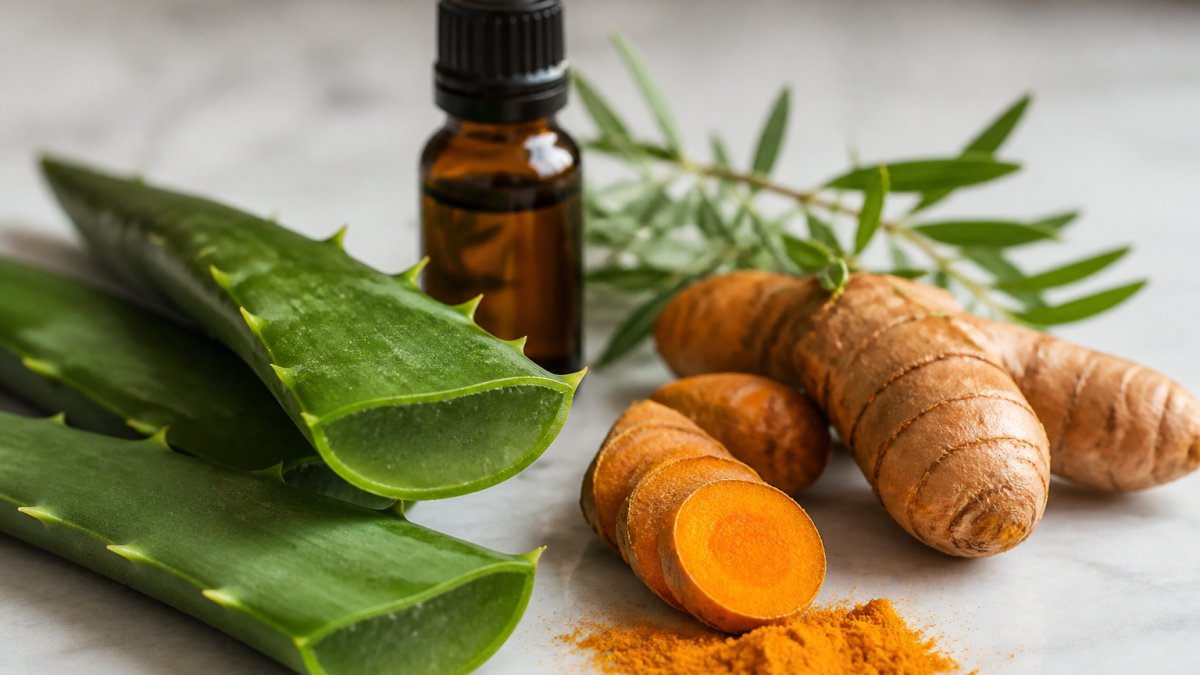
The most effective natural ingredients calm inflammation and fight bacteria that cause gum disease.
Aloe Vera for Soothing Irritated Gums
Evidence level: Moderate (human clinical studies + lab research)
Aloe vera contains polysaccharides and anthraquinones that reduce swelling and promote healing by decreasing inflammation and creating a protective layer over damaged areas.
How to use it: Apply aloe vera gel directly to your gums using a clean finger. Massage gently along the gumline for one minute.
Aloe soothes irritation and may reduce bleeding, but won't reverse gum recession alone. It works best with proper brushing and flossing.
Turmeric and Curcumin for Anti-Inflammatory Support
Evidence level: Strong (multiple human clinical trials + extensive lab research)
Turmeric contains curcumin, which has strong anti-inflammatory properties. Curcumin inhibits inflammatory pathways by suppressing cytokines like TNF-alpha and IL-6.
How to use it: Mix turmeric powder with coconut oil to create a paste. Apply it to your gums and leave it for five minutes.
Most people see improvement in gum swelling and bleeding within two to three weeks of consistent use.
Tea Tree Oil and Essential Oils for Antimicrobial Action
Evidence level: Moderate (lab research strong; human clinical data limited)
Tea tree oil kills oral bacteria through compounds called terpineol and cineole.
Important: Never apply tea tree oil directly to your gums undiluted. It's too strong and can burn tissue.
How to use it safely: Add two drops of tea tree oil to a cup of warm water. Use this as a rinse after brushing.
Green Tea and Antioxidant Remedies
Evidence level: Moderate (human studies emerging; traditional use long-standing)
Green tea contains catechins with antioxidant and anti-inflammatory properties. A 2009 study in Journal of Periodontology found green tea consumption associated with better periodontal health markers, including reduced pocket depth and bleeding.
How to use it: Brew green tea and let it cool. Rinse with it twice daily after brushing, or drink one cup daily. The benefit builds over weeks of consistent use.
Green tea is gentler than essential oils and carries minimal risk of irritation, making it a good starting point for people with sensitive gums.
Home Remedies for Gum Recession
Gum recession gradually pulls the gumline back, exposing tooth roots, creating sensitivity and decay vulnerability.
Several home remedies can slow recession and support gum health:
- Salt water rinses: Mix half a teaspoon of salt in warm water. Rinse twice daily. Salt reduces bacteria and swelling without chemicals.
- Coconut oil pulling: Swish one tablespoon of coconut oil in your mouth for 10-15 minutes. This antimicrobial practice may reduce harmful bacteria.
- Green tea: Brew green tea and let it cool. Rinse with it twice daily. Green tea contains antioxidants that fight inflammation.
- Myrrh: This resin has been used in traditional medicine for gum health. Mix myrrh powder with water to create a rinse.
These remedies work best with gentle brushing and regular flossing but don't replace professional care for severe recession. (Source: National Institutes of Health (NIH) study on curcumin)
Can Receding Gums Grow Back Naturally
Mild gum recession can sometimes stabilize or improve with consistent natural care and proper oral hygiene. But true regrowth, where gum tissue extends back to cover exposed roots, rarely happens without professional treatment.
Natural ingredients prevent further recession by reducing inflammation and fighting bacteria, but significant recession doesn't naturally regenerate.
PROTEITH® Oral Hygiene System for Healthy Gums – All-Natural Toothpowder →
For mild recent recession, natural remedies may help. For long-standing recession, consult your dentist about professional options like gum grafting.
Best Vitamins and Minerals for Gum Health
Your gums need specific nutrients. Deficiencies in certain vitamins and minerals worsen gum disease.
| Nutrient | Role in Gum Health | Food Sources |
|---|---|---|
| Vitamin C | Supports collagen production in gum tissue | Citrus fruits, berries, leafy greens |
| Vitamin D | Reduces inflammation and supports immune response | Sunlight exposure, fatty fish, fortified milk |
| Calcium | Strengthens teeth and jawbone | Dairy products, leafy greens, almonds |
| Zinc | Supports immune function and wound healing | Meat, shellfish, seeds, legumes |
| Magnesium | Reduces inflammation throughout the body | Nuts, seeds, whole grains, leafy greens |
A nutrient-dense diet combined with topical natural remedies gives you the best chance at gum health. PROTEITH® Oral Hygiene System for Healthy Gums - All-Natural Toothpowder includes plant-based ingredients designed to support your daily routine.
How to Use Natural Ingredients Safely
Natural doesn't mean risk-free. Some ingredients can cause reactions, interact with medications, or pose risks if misused.
Dilution and Concentration Standards
Essential oils must always be diluted before oral use. Tea tree oil: 2-3% maximum (2-3 drops per cup of water). Eucalyptus: 1-2%, once daily. Thyme: 1-2%. Peppermint: 0.5-1%. A weaker rinse used consistently is safer and often more effective than a stronger one used sporadically.
Swallowing Risks and Ingestion
Essential oils should never be swallowed. Even small amounts can cause nausea, vomiting, abdominal pain, diarrhea, or neurological effects. Always spit out rinses completely. If you swallow a significant amount or experience symptoms, contact poison control (1-800-222-1222) (Contact us).
Turmeric paste and aloe vera gel are safer if small amounts are swallowed, but they should still be rinsed out rather than ingested as a treatment.
Allergies and Sensitivity Testing
Before using any new ingredient, apply a pea-sized amount to your gums or inner cheek and wait 24 hours for itching, burning, swelling, or rash.
Aloe vera: rare reactions to aloin; use inner gel only. Tea tree oil: contact dermatitis and burning, especially with sensitive gums. Turmeric: uncommon but possible, especially if allergic to ginger. Essential oils: respiratory or skin irritation if inhaled or applied undiluted.
If you develop a rash, swelling, or difficulty breathing, stop use immediately and rinse your mouth thoroughly with water.
Medical Conditions and Medication Interactions
Tell your dentist or physician about natural remedies you're using, especially if you have:
- Bleeding disorders or take anticoagulants (warfarin, apixaban): Turmeric and high-dose vitamin C may increase bleeding risk. Use turmeric gum paste only in small amounts.
- Diabetes: Turmeric may lower blood sugar; monitor levels if using turmeric regularly.
- Pregnancy or breastfeeding: Essential oils are not recommended; aloe vera and turmeric in food amounts are generally safe, but consult your OB/GYN first.
- Kidney or liver disease: Avoid concentrated remedies; discuss with your doctor before using turmeric or essential oils regularly.
- Immunosuppression (from medications or conditions): Antimicrobial ingredients like tea tree oil are generally safe topically, but avoid if you have open wounds or severe gum ulcers.
Duration and When to Stop
Use natural remedies consistently for at least 2-3 weeks before assessing effectiveness. However, stop immediately if:
- You experience persistent burning, swelling, or pain that worsens over 3-5 days
- You develop an allergic reaction (rash, swelling, difficulty breathing)
- Your gum bleeding increases instead of decreasing after one week
- You notice pus, discharge, or signs of infection
If symptoms don't improve after 3 weeks of consistent use, or if they worsen, see a dentist. Lack of improvement may indicate a condition requiring professional treatment, not a failure of the remedy.
Consistency and Realistic Timelines
Consistency matters more than intensity. Using a gentle natural remedy twice daily for weeks beats using a strong remedy once and stopping. Your gums heal slowly, so patience is essential.
Expected timelines for symptom relief:
- Aloe vera: 3-7 days for reduced soreness; 2-3 weeks for visible improvement in bleeding
- Turmeric: 2-3 weeks for noticeable reduction in swelling; 4-6 weeks for significant improvement
- Tea tree oil rinse: 1-2 weeks for reduced bacterial load; 3-4 weeks for visible gum improvement
- Green tea: 4-6 weeks of daily use for measurable changes in pocket depth or bleeding
When to Seek Professional Dental Care
Natural ingredients help, but they have limits. See a dentist if:
- Your gums bleed heavily or don't improve after two weeks of home care
- You have persistent bad breath despite good hygiene
- Your gums are swollen, painful, or pulling away from your teeth
- You notice pus or discharge from your gums
- Your teeth feel loose or are shifting position
- You have signs of advanced gum disease
Gingivitis can progress to periodontitis, a serious infection that damages bone supporting your teeth. Professional treatment catches this early and prevents tooth loss.
Your dentist can also assess whether your recession needs professional intervention like gum grafting or scaling and root planing.
Conclusion
Natural ingredients gum repair works best when you understand their actual capabilities. Aloe vera, turmeric, tea tree oil, and other plant-based remedies reduce inflammation and fight bacteria.
But they're not magic. Mild gingivitis responds well to natural care combined with proper brushing and flossing. Significant gum recession or advanced periodontitis requires professional treatment.
The strongest approach combines natural ingredients with professional guidance, consistent oral hygiene, and nutrient-rich nutrition. PROTEITH® Healthy Gums Toothpowder supports this routine with plant-powered, fluoride-free ingredients designed for daily gum care.
Frequently Asked Questions
What heals gums the fastest with natural ingredients?
Aloe vera and turmeric show the quickest soothing effects for irritated gums, typically providing relief within days of consistent application. Aloe vera reduces inflammation and soothes discomfort, while turmeric's curcumin compound addresses underlying inflammation. However, healing the underlying gum disease requires consistent oral hygiene, brushing gently along the gumline, flossing daily, and using products like PROTEITH® Healthy Gums Powder that combine natural ingredients with proteolytic technology. Most people see meaningful improvement in bleeding and swelling within 2-3 weeks of a complete routine.
Can receding gums grow back naturally with natural ingredients alone?
Natural ingredients can halt recession and reduce inflammation, but they cannot regrow gum tissue that has already receded. Receding gums result from gum disease, aggressive brushing, or structural bone loss. Aloe vera, turmeric, and neem can support gum health and prevent further recession by controlling oral bacteria and inflammation, but reversing recession requires professional intervention such as gum grafting. Focus natural remedies on prevention: use a soft-bristled brush, apply ingredients that reduce inflammation, and maintain consistent oral hygiene to stop recession from worsening.
Which natural ingredients work best for gingivitis specifically?
Turmeric, green tea, neem, and tea tree oil target the bacterial infection and inflammation central to gingivitis. Turmeric's curcumin reduces inflammatory markers in gum tissue, green tea provides antimicrobial polyphenols, neem disrupts oral bacteria biofilms, and tea tree oil kills pathogens directly. Aloe vera soothes symptoms while these ingredients address the infection. For best results, combine topical application (gels, rinses) with daily brushing using a gentle, plant-based toothpowder like PROTEITH® Healthy Gums, which supports the antimicrobial and anti-inflammatory action needed to reverse gingivitis.
What vitamins and minerals support gum repair and health?
Vitamin C, zinc, and calcium are essential for gum tissue strength and immune response. Vitamin C supports collagen synthesis in gum tissue and boosts immune cells that fight oral bacteria. Zinc accelerates tissue repair and reduces inflammation. Calcium maintains bone density around teeth and supports gum attachment. Vitamin D enhances calcium absorption and immune function. While natural ingredients like turmeric and aloe vera reduce inflammation, adequate intake of these nutrients through diet or supplements strengthens the foundation for gum healing. Combine nutrient support with natural antimicrobial ingredients for comprehensive gum health.
Natural gum care works best when you combine multiple approaches. Professional dental assessments catch problems early, while consistent daily care with natural ingredients prevents disease progression. PROTEITH® Healthy Gums gives you a plant-based option that fits into a comprehensive gum health routine, supporting the gentle, consistent care your gums need to stay healthy and strong.

