

Which Dog Oral Care Products Work for Daily Use?
Last Updated: November 18, 2026
Quick Summary
The best dog oral care products for daily use are the ones your dog will accept consistently, such as dental chews, water additives, or powders mixed into food. Brushing with a pet toothpaste remains the reference standard for plaque removal, and other products work best as supplements between brushings.
- Brushing removes plaque mechanically and is the reference standard for home care.
- Look for the Veterinary Oral Health Council (VOHC) Accepted seal when evaluating claims.
- Dental chews should be large enough that your dog cannot swallow them whole.
- Many daily dental chews carry 30-100 calories each, so subtract them from meals.
- Introduce one new product at a time and watch for stomach upset or gum irritation.
Table of Contents
- Best Dental Care for Dogs at Home: How Daily Products Compare
- Dog Dental Chews for Daily Use: What to Check
- Vet Recommended Dog Teeth Cleaning and Your Next Step
- Frequently Asked Questions
Daily dog oral care is about consistency more than any single product. Product types differ in how well they fit into everyday life, and some are abandoned after a week. The right choice depends on your dog's size, temperament, and your available time.
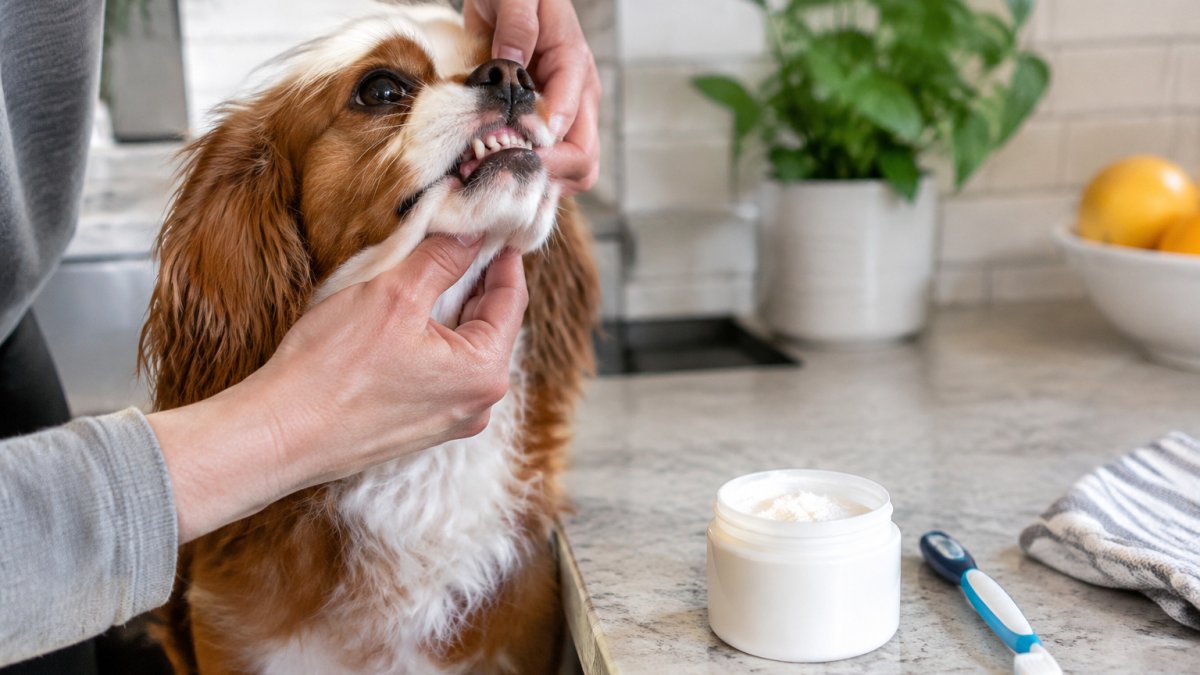
Dog dental products fall into four categories: brushing products, chews and treats, water additives, and powders. Brushing removes plaque mechanically, chews rely on texture and chewing action, and additives and powders are mixed into food or water.
- Brushing kits: Effective when done consistently, but many dogs resist them at first.
- Dental chews: Easy to give daily, though calorie content and chewing time vary widely.
- Water additives: Simple to use, but they only work if your dog drinks enough of the treated water.
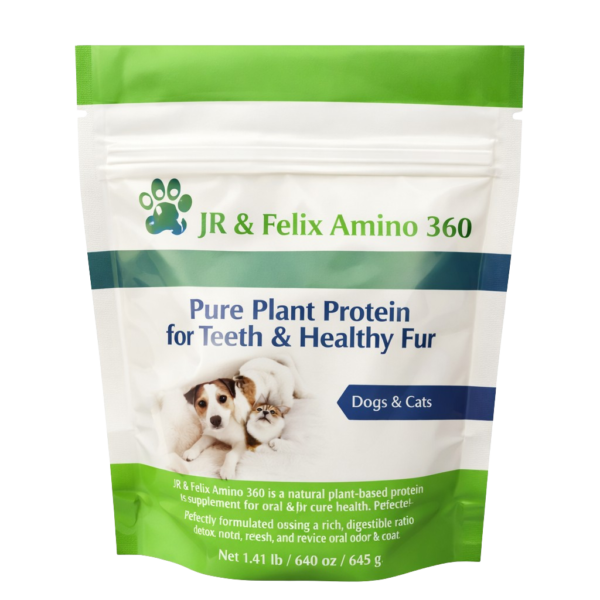
- Powders: Mix into meals, which suits dogs that refuse brushing, though taste and portion control matter.
Best Dental Care for Dogs at Home: How Daily Products Compare
Daily home care works best when the product matches both the dog and your schedule. The table compares the main product types on daily effort, mechanism, evidence standard, cost pattern, and common failure points.
| Product type | Daily effort | How it works | Evidence to look for | Typical U.S. cost pattern | Common failure point |
|---|---|---|---|---|---|
| Toothbrush and pet toothpaste | Medium to high (1-2 minutes, most days) | Mechanical plaque removal plus abrasive paste | Veterinary Oral Health Council (VOHC) Accepted seal for plaque/tartar control | $8-$20 for paste; $5-$15 for a brush; replacement every 1-3 months | Dog resists handling; owner skips days |
| Dental chews | Low (one chew daily) | Texture and chewing action scrub tooth surfaces | VOHC Accepted claim on the package; calorie statement | $0.50-$2.00 per chew, or $15-$60 per month | Swallowing whole; added calories; hardness |
| Water additives | Low (mix into bowl) | Antimicrobial or enzymatic action in drinking water | VOHC Accepted seal where claimed; ingredient list | $10-$25 per bottle, roughly 1-2 months | Dog drinks little; inconsistent dosing |
| Dental powders | Low (mix into food) | Enzymatic or abrasive action mixed into meals | VOHC Accepted seal where claimed; clear dosing scoop | $12-$30 per unit, roughly 1-2 months | Taste refusal; portion control |
| Wipes and gels | Medium (several times weekly) | Direct contact with teeth and gums | VOHC Accepted seal where claimed | $8-$20 per pack | Reach and cooperation; gum sensitivity |
Pick the lowest-effort option your dog will tolerate, then add brushing on the days you can manage it. Brushing remains the reference standard for plaque removal; chews, additives, powders, and wipes are adjuncts between brushings, not replacements.
A product without the seal is not automatically ineffective, but its claim is more likely to rest on marketing than independent review.
Suitability varies by dog. Puppies need products sized for small mouths and should avoid hard chews until adult teeth are in. Seniors and dogs with missing teeth do better with soft wipes, gels, or powders. Small breeds may need smaller brush heads and lower-calorie chews. Dogs with existing dental disease should start with a veterinary exam, because home care cannot remove established tartar or treat gum disease.
Watch out: Do not stack several new products at once; introduce one at a time and watch for stomach upset, refusal, or gum irritation before adding another.
Typical U.S. cost per unit for daily dog oral care products
Dog Dental Chews for Daily Use: What to Check
Dental chews are the easiest daily option for many households, but safety details decide whether they help or hurt. Check four things before making one part of the routine: size and shape, hardness, calories, and supervision needs.
Size and shape matter more than most owners expect. A chew should be long enough that the dog cannot swallow it whole and shaped so the dog must work at it. Match the package size to your dog's weight range, and size down for fast chewers. A chew that disappears in under a minute does little for the teeth and raises choking risk.
Hardness is the most common source of injury. Bone-like chews that require real force to bend are a concern for dogs with weak teeth, a history of fractures, or heavy chewing. If you cannot flex the chew with your hands, it may be too hard for some dogs. Ask your veterinarian before starting hard chews in older dogs or dogs with known dental disease.
Calories add up quickly. Many daily chews carry 30-100 calories each, a meaningful share of a small dog's daily allowance. Check the calorie statement and subtract the chew from meals or treats rather than adding it on top.
Supervision is not optional. Give chews while you can watch, remove the last stub once it gets small enough to swallow, and never leave a chew with a dog that tends to gulp. Discard chews that splinter or break into sharp pieces.
Contraindications deserve a direct conversation with your veterinarian. Dogs with missing teeth, loose teeth, gum disease, or a history of gastrointestinal blockage may need a different approach entirely. Puppies should avoid hard chews until adult teeth are established. Dogs that swallow treats whole may do better with soft wipes, gels, or a powder mixed into food.
Rotate carefully. Changing chews often can upset digestion, so introduce one product at a time and watch stool quality over a week or two. If you see vomiting, diarrhea, or reluctance to chew, stop and check with your veterinarian.
Watch out: A chew that is safe for one dog can be a choking or fracture risk for another; when in doubt, choose the softer, larger option and supervise.
Vet Recommended Dog Teeth Cleaning and Your Next Step
Home products reduce plaque between visits but do not replace a professional dental exam. Your veterinarian can check for gum disease, loose teeth, and tartar that home care cannot remove. A professional dog teeth cleaning is often the right next step if tartar is already visible or breath stays unpleasant despite daily care. Ask your vet to recommend a home routine that fits your dog's specific needs.
Frequently Asked Questions
Can I give my dog a dental treat every day?
Many owners use dental chews daily, but daily use should follow the product label and your veterinarian's advice. Check the feeding guidelines, count the chew as part of your dog's daily calories, and watch for stomach upset or loose stools. Dogs with chronic digestive issues, allergies or on restricted diets should check with a vet before starting any new chew. Treat the chew as one part of a routine that may also include brushing or a powder, not a full replacement for professional cleaning when tartar is already present.
Can water additives replace brushing a dog's teeth?
Water additives are usually designed as a supplement to brushing, chews or powders, not a full replacement. They are easy to add to a daily routine, but their effect depends on how much water your dog actually drinks and how consistently you use the product. If your dog has visible tartar, bad breath or red gums, schedule a veterinary dental exam. Use the additive as a convenience layer while you keep other daily care steps in place.
What do vets recommend for dental care for dogs?
Regular tooth brushing with a dog-specific toothpaste is a common home routine, and dental chews or powders may be used alongside it where appropriate. They also advise scheduled professional dental exams and cleanings, since tartar below the gumline cannot be removed at home. Ask your vet which products suit your dog's age, size and oral health, and bring the product label to your appointment so they can review the ingredients with you.


