

Best Home Treatment for Receding Gums 2026 Guide
Table of Contents
- Best Home Treatment for Receding Gums in 2026: What Works and What Doesn't
- Home Remedies for Receding Gums: What Soothes and What's Safe
- Can Receding Gums Grow Back Naturally? The Honest Answer
- Best Toothpaste for Receding Gums: How to Choose
- How to Stop Gum Recession From Getting Worse
- Signs, Causes, and Risk Factors for Gum Recession
- When Home Care Isn't Enough: Professional Treatments and Timelines
- Treatment Options at a Glance
- Conclusion: Building a Daily Routine That Protects Your Gums
- Frequently Asked Questions
Last Updated: October 15, 2026
Best Home Treatment for Receding Gums in 2026: What Works and What Doesn't
Receding gums happen when the gum tissue pulls back from the teeth and exposes the roots.
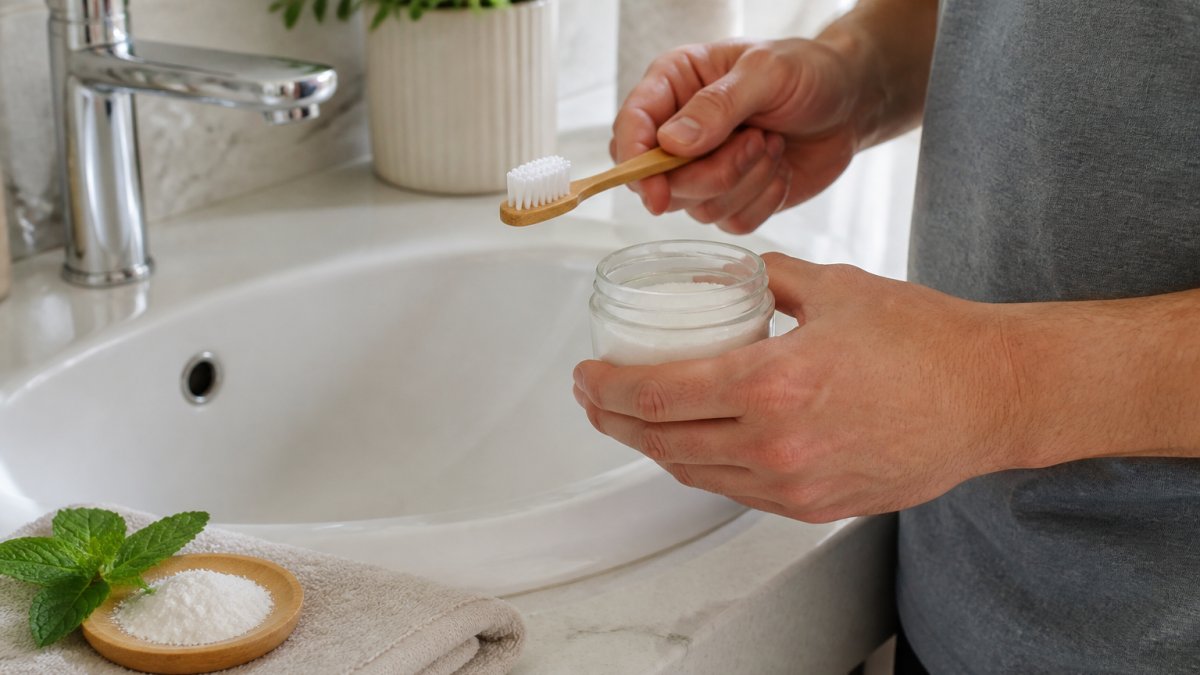
Here's what most guides get wrong. They promise regrowth.
Below, we'll show you exactly which home habits protect your gum line, which remedies are safe, and when to call a dentist.
The American Dental Association's guidance on gum disease makes one point clear: early action matters more than any single product.
Home Remedies for Receding Gums: What Soothes and What's Safe
Home remedies for receding gums can ease soreness, swelling, and bleeding. None of them rebuild lost gum tissue. Think of them as comfort and hygiene tools, not cures. The table below grades each common remedy on what the evidence actually supports and where the risks sit.
Remedy |
What it may help |
Evidence quality |
Key safety caution |
|---|---|---|---|
Saltwater rinse |
Soothing irritated tissue, reducing mild swelling |
Low, but long-used and low-risk |
Use about half a teaspoon of salt per glass of warm water; don't swallow large amounts if you have high blood pressure |
Diluted hydrogen peroxide |
Reducing bacteria in the mouth |
Mixed |
Never use undiluted; typical guidance is a 1:1 or weaker dilution, swish briefly, and do not swallow. Overuse irritates gums |
Oil pulling |
Mouth-feel and possibly mild plaque reduction |
Weak to mixed |
Do not swallow the oil; stop if it causes jaw soreness. Not a substitute for brushing or flossing |
Aloe vera gel |
Soothing tender gums |
Weak |
Use food-grade gel; some people react to topical aloe. Patch-test first |
Xylitol |
Limiting plaque-forming bacteria |
Moderate for cavity prevention, weak for recession |
Keep away from pets; xylitol is toxic to dogs |
Green tea rinse |
Antioxidant and anti-inflammatory support |
Weak |
Caffeine content matters if you are sensitive; avoid very hot rinses on exposed roots |
Saltwater and Hydrogen Peroxide Rinses
A saltwater rinse is the safest place to start. Mix about half a teaspoon of salt into a glass of warm water and swish gently for 30 seconds. It calms irritated tissue without harsh chemicals.
Hydrogen peroxide needs more care. Use a diluted rinse, and don't swallow it. Overuse can irritate your gums instead of helping them, and undiluted peroxide can burn soft tissue.
Oil Pulling, Aloe Vera, and Other Natural Options
Oil pulling means swishing a spoonful of coconut or sesame oil for several minutes. Many people find it leaves the mouth feeling clean. It does not reverse gum recession, and the evidence for plaque reduction is weak to mixed.
Aloe vera gel is a common choice for soothing tender gums. Xylitol, a natural sweetener, may help limit the bacteria that feed plaque, and it has moderate evidence for cavity prevention.
How to Tell If a Remedy Is Helping
A useful test is whether your symptoms change within two to three weeks of consistent use. Signs a remedy is helping include less tenderness when you brush, less bleeding, and reduced sensitivity to cold. Signs it is not helping, or is making things worse, include new irritation, a burning feeling, or recession that keeps progressing. If you see the second set, stop the remedy and get a dental assessment rather than adding more products.
Can Receding Gums Grow Back Naturally? The Honest Answer
No. Receding gums cannot grow back naturally, and no rinse, oil, or toothpaste regrows gum tissue that has already pulled away. This is the single most important fact .
Gum tissue does not regenerate on its own once it recedes. What you can do is stop the recession from getting worse.
- Lost gum tissue: gone for good without a procedure
- Symptoms like soreness and bleeding: often manageable at home
- The recession itself: can be halted with good daily care
- Exposed roots: can be covered only through professional treatment
So skip any product that promises regrowth. Spend your effort on protection instead. That's where home care actually delivers.
Best Toothpaste for Receding Gums: How to Choose
The best toothpaste for receding gums is a gentle, low-abrasion formula that cleans along the gum line without scrubbing it raw. Abrasive whitening pastes and hard brushing do the opposite of what your gums need.
Look for these traits:
- Low abrasion: protects exposed roots and enamel
- No harsh additives: fewer irritants for tender tissue
- Gentle cleaning action: lifts plaque without scraping
- Fluoride-free options: for people who prefer plant-based care
This is where our own approach fits. The PROTEITH® Oral Hygiene System for Healthy Gums is a plant-powered, fluoride-free toothpowder made with xylitol. It uses proteolytic technology in a formula designed for daily care without harsh abrasives.

How to Stop Gum Recession From Getting Worse
How to stop gum recession from getting worse comes down to daily habits, not one product. The goal is to remove plaque gently and consistently, so your gums stop getting irritated in the first place.
Gentle Brushing and Flossing Habits That Protect Your Gum Line
Most recession is made worse by pressure, not by plaque alone. Change how you brush before you change what you buy.
PROTEITH® Oral Hygiene System for Healthy Gums – All-Natural Toothpowder →
- Angle the brush toward your gum line at about 45 degrees.
- Use light pressure. Let the bristles do the work.
- Brush in small circles, not back-and-forth sawing.
- Pick a soft-bristled toothbrush and replace it every few months.
- Floss daily, sliding gently below the gum line without snapping.
- Add an interdental brush for gaps your floss can't reach.
A common mistake is brushing harder to "clean better." That wears the gum line down faster. Gentle and thorough beats hard and fast every time.
Signs, Causes, and Risk Factors for Gum Recession
Gum recession is the pulling back of gum tissue from the tooth, which exposes the roots and can lead to sensitivity and, over time, tooth loss. Spotting it early gives you the most options.
Watch for these signs:
- Teeth that look longer than before
- Sensitivity to hot, cold, or sweet foods
- A visible notch where the gum meets the tooth
- Bleeding or tender gums
- Persistent bad breath
The causes go beyond brushing and gum disease:
- Periodontal disease, the leading driver of tissue loss
- Aggressive brushing and hard bristles
- Grinding or clenching your teeth
- Genetics, which shape your gum thickness
- Tobacco use, which harms gum tissue and healing
- Hormonal changes and certain health conditions
Risk rises with age, smoking, and uncontrolled conditions like diabetes. If several of these apply to you, treat daily care as preventive care, not an afterthought.
When Home Care Isn't Enough: Professional Treatments and Timelines
Home care has a ceiling. When recession is advanced, or roots are exposed, a dentist can offer options that go beyond anything you can do at the sink. The key is knowing when to call, what each option can and cannot do, and how long results take to show.
A Practical Triage Guide: When to Call
Use these signs to decide how quickly to seek care.
- Routine appointment within a few weeks: mild sensitivity, gums that look slightly lower than a year ago, or a family history of gum disease. These are worth a check but are not emergencies.
- Prompt appointment within days: bleeding every time you brush that does not improve with gentler technique, persistent bad breath, or a visible notch where the gum meets the tooth.
- Urgent care: loose teeth, pain that wakes you, pus along the gum line, or recession that is visibly worsening week to week. These can signal active periodontal disease and should not wait.
What Professional Treatments Can and Cannot Do
- Deep cleaning (scaling and root planing): removes plaque and tartar below the gum line. It can reduce inflammation and slow recession, but it does not regrow gum tissue.
- Antibiotic therapy: targets bacteria in deeper pockets, often used alongside deep cleaning. It manages infection; it does not restore gum.
- Laser therapy: a less invasive option for some cases, with similar limits to deep cleaning.
- Gum grafting: takes tissue from the roof of the mouth to cover exposed roots. This is the main option that can actually cover exposed root surfaces, though results depend on the case.
- Gum contouring and bonding: reshape or cover the gum line cosmetically. These improve appearance more than they restore function.
Realistic Timelines and Outcomes
Timelines vary by case, but a common pattern looks like this:
- Non-surgical care: inflammation and bleeding often improve within two to four weeks, with continued improvement over a few months. Recession itself typically does not reverse.
- Gum grafting: initial healing takes a few weeks, with the graft settling over several months. Full maturation can take longer.
- Maintenance: cleanings every three to six months are common after periodontal treatment, depending on your risk factors.
What professional care can do is stop or slow the recession, cover exposed roots in some cases, and reduce the risk of tooth loss. What it cannot do is guarantee that gum returns to its original position, especially in advanced cases.
Maintenance After Treatment
Treatment is not a finish line. Recession can recur if daily habits slip. Keep brushing gently with a soft-bristled brush, floss daily, and keep your follow-up cleanings on schedule.
National Institute of Dental and Craniofacial Research on gum disease notes that gum disease is largely preventable with good daily care. That's the part you control, and it is what protects whatever treatment you and your dentist decide on.
Treatment Options at a Glance
Approach |
What It Does |
Best For |
Limits |
|---|---|---|---|
Saltwater rinse |
Calms irritation |
Daily soothing |
No tissue regrowth |
Gentle brushing and flossing |
Removes plaque |
Everyone, daily |
Needs consistency |
Soft-bristled brush |
Protects gum line |
Sensitive gums |
Technique still matters |
Deep cleaning |
Clears below gum line |
Early to moderate disease |
Needs a dentist |
Gum grafting |
Covers exposed roots |
Advanced recession |
Surgical, longer recovery |
Conclusion: Building a Daily Routine That Protects Your Gums
The hard truth is that no home treatment regrows receding gums. What you can do is stop the damage and keep your gums calm.
At PROTEITH®, we built our Healthy Gums toothpowder for exactly this routine. It's plant-powered, fluoride-free, made with xylitol, and free from harsh abrasives, so you can clean along the gum line without scrubbing it raw.
Get started with PROTEITH® and give your gums the gentle, consistent care they need to stay healthy for the long run.
Frequently Asked Questions
Can receding gums grow back naturally?
Gum tissue that has already receded does not grow back on its own. Home care can soothe inflammation, reduce bleeding, and slow further recession, but it cannot rebuild lost gum tissue. Only professional procedures like gum grafting can restore coverage. Focus on daily gentle care and regular dental visits to protect the gums you still have.
What are the stages of gum recession?
Dentists often use a classification system based on how far the gum line has moved toward the root. Mild recession exposes part of the root but keeps most tissue intact. Moderate recession reaches further down, and severe recession exposes the root and may affect the bone. Your dentist can measure your gum line and tell you which stage you are in.
What should I buy for receding gums?
Look for a soft-bristled toothbrush, a fluoride-free or low-abrasive toothpaste or tooth powder, and interdental brushes or floss. PROTEITH® Oral Hygiene System for Healthy Gums – All-Natural Toothpowder ($14.00) is a plant-powered option made with xylitol and no harsh abrasives. It fits a gentle routine that cleans along the gum line without scrubbing. Always check with your dentist before switching products if you have active gum disease.
When should I see a dentist about receding gums?
Make an appointment if you notice bleeding that continues after a few days of gentle care, swelling, persistent bad breath, or a tooth that feels loose. Sudden sensitivity or a visible change in your gum line also warrants a check. Early evaluation can catch treatable causes like gum disease or a bite problem before more tissue is lost.

