

Best Natural Toothpaste for Sensitivity
Table of Contents
- What Causes Tooth Sensitivity and Why Natural Solutions Matter
- Key Ingredients to Look for in Natural Toothpaste for Sensitivity
- Fluoride-Free Toothpaste for Sensitive Teeth: Effectiveness and Safety
- How to Treat Sensitive Teeth Naturally at Home
- Benefits of Proteolytic Enzymes in Toothpaste
- Ingredients to Avoid in Conventional Toothpaste
- Choosing the Right Natural Toothpaste for Your Sensitivity Needs
- Conclusion
Last Updated: August 29, 2026
What Causes Tooth Sensitivity and Why Natural Solutions Matter
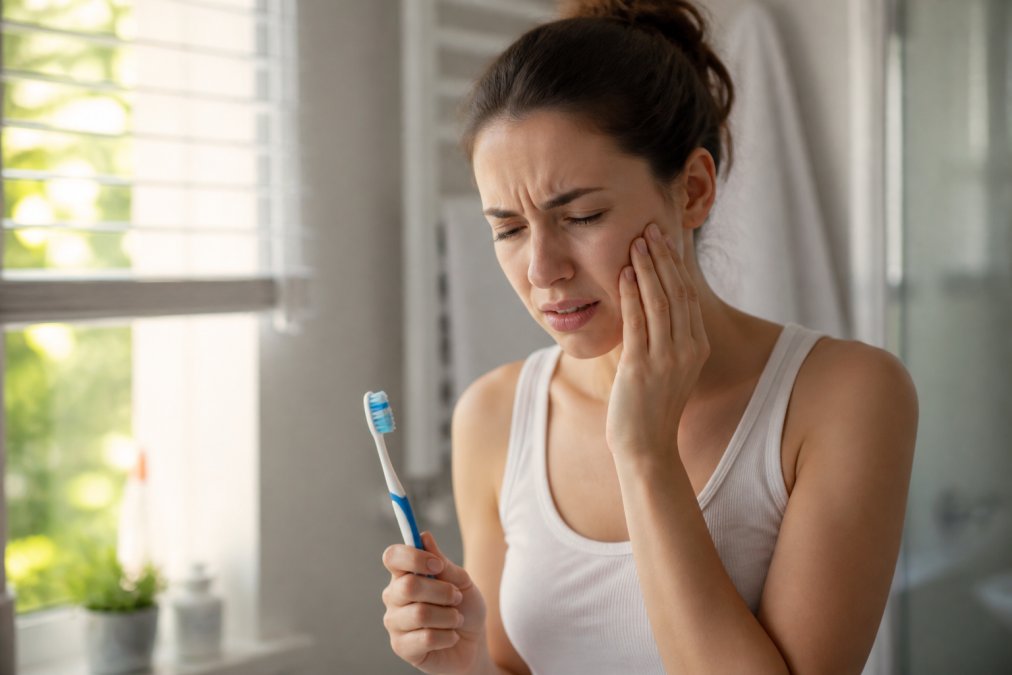
Tooth sensitivity occurs when enamel wears away or gums recede, exposing dentin, the layer beneath containing tubules that lead to the nerve. When these tubules contact hot, cold, acidic, or sweet stimuli, you feel sharp pain. Natural toothpaste for sensitivity protects exposed dentin and supports remineralization without harsh chemicals.
Acidic erosion, aggressive brushing, gum recession, and teeth grinding all expose dentin tubules. Natural solutions work with your oral microbiome rather than against it. Your mouth hosts beneficial bacteria that maintain pH balance and protect against pathogens. Conventional toothpastes with sodium lauryl sulfate (SLS) disrupt this ecosystem, potentially worsening sensitivity over time. A microbiome-friendly approach supports long-term gum health and addresses root causes.
Key Ingredients to Look for in Natural Toothpaste for Sensitivity
Potassium Nitrate and Nano-Hydroxyapatite
Potassium nitrate is the most researched ingredient for sensitivity relief. It blocks pain signals by depolarizing nerve cells and preventing pain transmission. Most users notice improvement within 3-5 days, with maximum benefit developing over 2-3 weeks (peer-reviewed research).
Nano-hydroxyapatite is chemically identical to tooth mineral structure. Unlike fluoride, it rebuilds tooth structure by filling micro-cracks and remineralizing exposed dentin. This ingredient addresses sensitivity at the source, physically restoring the damaged protective layer. The remineralization process continues throughout the day, making it valuable for long-term sensitivity management.
The combination of potassium nitrate for immediate relief and nano-hydroxyapatite for structural repair creates a comprehensive approach.
Natural Soothing Agents and Anti-Inflammatory Botanicals
Aloe vera has natural anti-inflammatory properties and soothes irritated gums. Essential oils like peppermint and clove reduce inflammation and provide cooling sensation. Xylitol sweetens naturally while inhibiting cavity-causing bacteria and supporting healthy oral pH. By maintaining neutral pH, xylitol prevents further damage while other ingredients repair.
The synergy between these ingredients matters: potassium nitrate, nano-hydroxyapatite, xylitol, and botanical extracts create an environment where teeth heal while pain is managed.
Fluoride-Free Toothpaste for Sensitive Teeth: Effectiveness and Safety
Fluoride-free toothpastes can be equally effective for cavity prevention with the right ingredient combination. Nano-hydroxyapatite outperforms fluoride in some clinical scenarios for remineralization (peer-reviewed research). While fluoride creates stronger crystal structure on enamel surface, nano-hydroxyapatite integrates into tooth structure itself, creating more durable repair. For sensitivity, nano-hydroxyapatite is superior because it addresses underlying structural damage.
The choice between fluoride and fluoride-free becomes personal preference. If you're sensitive to fluoride, concerned about systemic absorption, or prefer plant-based alternatives, a well-formulated fluoride-free natural toothpaste with nano-hydroxyapatite and potassium nitrate protects teeth effectively. Consistent use paired with good oral hygiene, brushing twice daily, flossing, and managing dietary acid, ensures protection.

How to Treat Sensitive Teeth Naturally at Home
Brushing Technique and Gum Protection
Aggressive brushing causes gum recession and enamel erosion. Use a soft-bristled toothbrush with gentle circular motions, applying only light pressure. Brush for two minutes twice daily, paying special attention to the gum line where recession typically begins.
Gum recession exposes root surfaces lacking protective enamel, making them highly susceptible to erosion and sensitivity. This creates a vicious cycle: sensitivity causes people to avoid brushing the area, allowing plaque buildup, which worsens gum disease and accelerates recession. Breaking this cycle requires gentle, consistent gum-line care and natural toothpaste with anti-inflammatory botanicals like aloe vera to support tissue healing.
If you have visible gum recession (teeth appear longer or you see a notch where tooth meets gum), professional evaluation is warranted to rule out periodontal disease. Early-stage recession can often be stabilized through improved home care and the right natural toothpaste.
Dietary Triggers and Acid Management
Diet plays a critical role in sensitivity. Acidic foods and beverages soften enamel temporarily, making it more susceptible to erosion. Common culprits include citrus fruits, wine, vinegar, soda, energy drinks, kombucha, sports drinks, and acidic yogurt.
After consuming acidic items, wait 30 minutes before brushing. This allows saliva to neutralize acid and enamel to re-harden. Brushing immediately after acid exposure removes softened enamel, accelerating erosion. Instead, rinse with water or milk, then wait before brushing.
Consider your total daily acid load. Someone drinking lemon water in the morning, wine at lunch, and citrus snacks in the afternoon exposes teeth to acid multiple times daily. Even brief exposures accumulate. If you consume acidic beverages regularly, use a straw to minimize tooth contact and follow with water.
Mineralization Support from Within
Topical remineralization via nano-hydroxyapatite toothpaste is important, but systemic mineral intake supports tooth health from inside. Calcium, magnesium, and phosphorus make up tooth structure. Low dietary minerals impair repair and maintenance. Good sources include dairy products, leafy greens, nuts, seeds, and fish with bones. If you follow restricted diets, consider whether supplementation helps. Consult your healthcare provider before starting supplements.
Fluoride Intake and Microbiome Considerations
If using fluoride-free natural toothpaste, consider fluoride from other sources. Many municipal water supplies are fluoridated, and fluoride mouthwashes are available. If you already receive fluoride from water and mouthwash, fluoride-free toothpaste provides flexibility. If you use reverse-osmosis filters (which remove fluoride) and avoid fluoridated mouthwash, fluoride-free toothpaste with nano-hydroxyapatite becomes more important for cavity prevention.
Your oral microbiome affects sensitivity management. Harsh antimicrobial ingredients disrupt bacterial balance, potentially worsening gum inflammation and sensitivity. Natural toothpaste with microbiome-friendly ingredients (SLS-free, with xylitol or proteolytic enzymes) supports beneficial bacteria that maintain pH balance and protect against pathogens.

Benefits of Proteolytic Enzymes in Toothpaste
Proteolytic enzymes break down proteins and help remove biofilm, the sticky bacterial matrix on teeth, more gently than abrasive scrubbing. By enzymatically breaking down biofilm protein structure, they allow easier removal without harsh abrasives.
This approach is valuable for sensitivity sufferers because excellent cleaning is achieved with lower RDA (abrasivity) values. PROTEITH® incorporates proteolytic technology specifically designed for this purpose, supporting effective plaque control while protecting vulnerable enamel and exposed dentin.
The enzymatic approach also supports your oral microbiome. Rather than killing all bacteria indiscriminately, proteolytic enzymes selectively target pathogenic biofilm while preserving beneficial bacteria. This nuanced approach aligns with emerging understanding that oral health depends on microbial balance.
Ingredients to Avoid in Conventional Toothpaste
Sodium Lauryl Sulfate (SLS) and Other Harsh Surfactants
Sodium lauryl sulfate creates foam and spreads toothpaste evenly, but it irritates sensitive gum tissue and disrupts the oral microbiome by killing beneficial bacteria. For sensitivity sufferers, this is problematic because:
- Gum irritation worsens recession: SLS irritates soft tissue, contributing to gum inflammation and recession, directly exposing root surfaces and increasing sensitivity.
- Microbiome disruption: Killing beneficial bacteria indiscriminately allows pathogenic bacteria to proliferate, leading to gum disease and further recession.
- Symptom masking: Many SLS-containing toothpastes include potassium nitrate, but SLS irritation often counteracts the benefit.
SLS-free formulations are now widely available and particularly important if you have gum inflammation, bleeding gums, or canker sores.
Artificial Sweeteners and Their Microbiome Effects
Artificial sweeteners like aspartame, saccharin, and sorbitol alter your oral microbiome in ways that worsen sensitivity. Research shows some artificial sweeteners preferentially feed harmful bacteria (particularly Streptococcus mutans, the primary cavity-causing pathogen) while starving beneficial species. This creates an environment where cavity-causing bacteria thrive, acidic byproducts lower oral pH accelerating enamel erosion, and gum inflammation increases.
Xylitol is the superior choice. Unlike artificial sweeteners, xylitol actively inhibits S. mutans and other harmful bacteria while supporting beneficial species. It also maintains neutral oral pH, critical for preventing further enamel erosion.
High-Abrasivity Polishing Agents
Abrasivity is measured on the Relative Dentin Abrasivity (RDA) scale. The American Dental Association recommends RDA below 150 for regular toothpastes, but for sensitivity sufferers, the threshold should be below 70 (the American Dental Association).
High-abrasivity toothpastes accelerate enamel erosion because they physically wear away enamel with each brushing, exposing dentin tubules and worsening sensitivity. Over months and years, high-abrasivity formulations remove significant enamel thickness. Many charcoal toothpastes and baking soda formulations marketed for whitening have high RDA values, the whitening benefit comes at the cost of enamel loss, worsening sensitivity.
Check product labels or manufacturer websites for RDA values. A low-abrasivity formulation (RDA below 70) combined with gentle brushing protects enamel while providing effective cleaning.
Artificial Flavors, Colors, and Irritating Additives
Artificial flavors and colors add no functional benefit and can irritate sensitive tissues. Synthetic flavoring compounds may trigger sensitivity in individuals with existing gum inflammation. Natural flavoring from essential oils (peppermint, spearmint, clove) and plant extracts provides taste without irritation, often with added benefits: peppermint provides cooling sensation soothing sensitive teeth, while clove has traditional anti-inflammatory properties.
Other additives to scrutinize include hydrogen peroxide (can irritate gums), triclosan (disrupts oral microbiome), parabens (potential endocrine disruptors), and titanium dioxide (some sensitivity sufferers report irritation).
What to Look for Instead
When reading labels, prioritize:
- SLS-free formulation
- RDA below 70 (check label or ask manufacturer)
- Xylitol as sweetener (not artificial sweeteners)
- Natural flavoring from essential oils or plant extracts
- Active desensitizing ingredients like potassium nitrate or nano-hydroxyapatite
- Microbiome-friendly ingredients (proteolytic enzymes, anti-inflammatory botanicals)
Choosing the Right Natural Toothpaste for Your Sensitivity Needs
The best natural toothpaste depends on your specific situation. First, assess your sensitivity pattern. Is it localized to one or two teeth, or widespread? Localized sensitivity might indicate a cavity or gum problem requiring professional evaluation. Widespread sensitivity suggests systemic enamel erosion or gum recession. A natural toothpaste with potassium nitrate and nano-hydroxyapatite addresses both patterns.
Second, consider your gum health. If you have bleeding gums or inflammation, prioritize a toothpaste with anti-inflammatory botanicals and microbiome-friendly ingredients. PROTEITH® Oral Hygiene System for Healthy Gums is specifically formulated for this scenario, combining sensitivity relief with gum-supporting ingredients. The all-natural formulation with xylitol and proteolytic technology addresses both sensitivity and underlying gum health.
Third, evaluate dietary and lifestyle factors. If you consume acidic beverages regularly, you need active remineralization, nano-hydroxyapatite is essential. If you grind your teeth, you're accelerating enamel wear, so nano-hydroxyapatite becomes crucial. If you use whitening treatments, choose low-abrasivity natural toothpaste to minimize additional enamel damage.
Finally, commit to consistent use. Most natural toothpastes take 2-3 weeks to show noticeable improvement. This isn't because they're less effective, remineralization and gum healing are biological processes requiring time. Switching products every few days prevents experiencing full benefit.
| Factor | What to Look For | Why It Matters |
|---|---|---|
| Active Desensitizers | Potassium nitrate (5-10%) | Blocks pain signal transmission |
| Remineralization | Nano-hydroxyapatite (10%+) | Rebuilds tooth structure |
| Gum Support | Aloe vera, anti-inflammatory botanicals | Reduces inflammation and recession |
| Sweetener | Xylitol | Inhibits harmful bacteria, maintains pH |
| Abrasivity | RDA below 70 | Protects enamel from erosion |
| Microbiome Support | Proteolytic enzymes, SLS-free | Preserves beneficial bacteria |
Conclusion
Tooth sensitivity doesn't require harsh chemical treatments. Natural toothpastes formulated with potassium nitrate, nano-hydroxyapatite, and microbiome-friendly ingredients address both immediate pain and underlying structural damage. The key is choosing a product with proven active ingredients and committing to consistent use while supporting your teeth through better brushing technique and dietary awareness.
PROTEITH® Oral Hygiene System for Healthy Gums combines these evidence-based ingredients in a clinically validated formula designed specifically for sensitivity and gum health. At just $14.00, it delivers professional-grade sensitivity relief without harsh chemicals found in conventional toothpastes. Get started with PROTEITH® and experience the difference that proteolytic technology and natural remineralization can make for your teeth and gums.
Frequently Asked Questions
What can I use naturally for sensitive teeth?
Natural ingredients like potassium nitrate, nano-hydroxyapatite, and aloe vera soothe exposed dentin tubules and reduce sensitivity. Fluoride-free toothpaste formulated with these components addresses root causes without harsh chemicals. PROTEITH® Oral Hygiene System for Healthy Gums combines these ingredients with proteolytic enzymes to support gum health and reduce sensitivity. Dietary changes, avoiding acidic foods and beverages, also help prevent enamel erosion that triggers sensitivity.
Is fluoride-free toothpaste effective for tooth sensitivity?
Yes. Fluoride-free toothpaste for sensitive teeth works by using alternative remineralization agents like nano-hydroxyapatite and calcium phosphate, which restore mineral content to weakened enamel. These ingredients block exposed dentin tubules where nerve endings trigger pain. Studies show fluoride-free formulas with potassium nitrate and natural soothing agents reduce sensitivity as effectively as fluoride options while supporting oral microbiome health and avoiding systemic fluoride exposure concerns.
How long does it take to see results from natural toothpaste for sensitivity?
Most users notice improvement in gum irritation and bleeding within 2-4 weeks of consistent use. Sensitivity reduction typically appears after 4-6 weeks as dentin tubules become blocked and remineralization progresses. Results depend on the severity of sensitivity, your oral hygiene routine, and dietary habits. Continuing use prevents regression; stopping may allow sensitivity to return as exposed dentin tubules remain vulnerable without ongoing protection and remineralization support.
What makes proteolytic enzymes beneficial in toothpaste?
Proteolytic enzymes break down bacterial biofilm and plaque without abrasive scrubbing, which can damage enamel and expose dentin. This gentle action reduces bacteria that cause gum inflammation, bleeding, and tartar buildup while supporting a healthy oral microbiome. Benefits of proteolytic enzymes in toothpaste include reduced gum recession, fresher breath, and stain removal without the high RDA (abrasivity) values found in conventional whitening toothpastes. They work especially well for sensitivity sufferers whose gums are already compromised.
This article was written using GrandRanker

