

Clinical Studies on Oral Probiotics: Evidence & Results
Table of Contents
- What Clinical Studies Reveal About Oral Probiotics
- How Oral Probiotics Work in the Mouth
- Best Probiotic Strains for Oral Health
- Clinical Evidence for Gum Health and Periodontal Disease
- Benefits of Probiotics for Teeth and Gums
- How to Improve Your Oral Microbiome
- Safety, Side Effects, and Contraindications
- Frequently Asked Questions
Last Updated: September 23, 2026
What Clinical Studies Reveal About Oral Probiotics
Clinical studies on oral probiotics demonstrate that specific bacterial strains meaningfully influence oral microbial balance, with measurable impacts on gum health, breath quality, and dental function.
Clinical studies on oral probiotics reflect a shift from antimicrobial approaches toward cultivating beneficial bacteria. This aligns with microbiome science: balance matters more than sterility.
Clinical studies on oral probiotics document measurable changes in bacterial populations, inflammatory markers, and clinical symptoms, demonstrating that the oral microbiota responds to probiotic intervention.
How Oral Probiotics Work in the Mouth
Oral probiotics compete with pathogenic organisms for adhesion sites on tooth surfaces and gum tissues, reducing harmful bacterial colonization.
Pathogen inhibition and biofilm modulation
Clinical studies on oral probiotics show that beneficial strains inhibit pathogens like Streptococcus mutans (caries) and anaerobic bacteria (periodontal disease and halitosis).
Beneficial strains like Streptococcus salivarius produce compounds that disrupt pathogenic biofilm formation and prevent bacterial colonization without harsh chemical intervention.
Strains that adhere strongly to oral tissues establish themselves and persist, reducing plaque formation and bacterial load associated with gum disease.
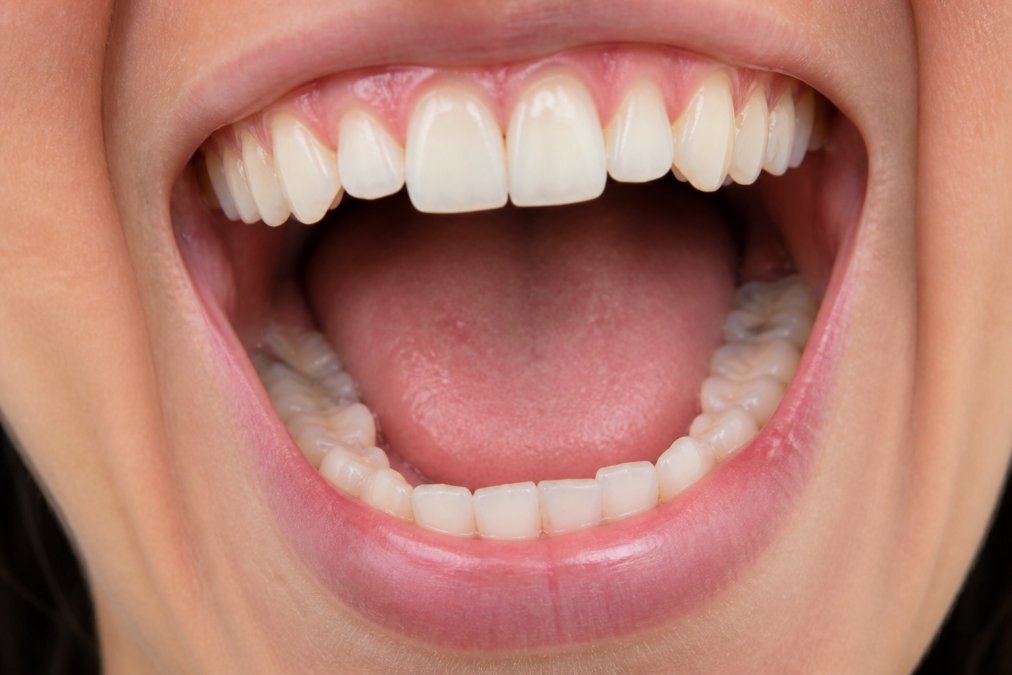
Salivary function and oral cavity homeostasis
Clinical studies on oral probiotics demonstrate that certain bacterial strains enhance salivary function, which buffers acids, provides antimicrobial proteins, and maintains oral cavity homeostasis.
Probiotic strains interact with salivary proteins and immune cells to activate mucosal immunity and strengthen the mouth's natural defenses.
A balanced oral microbiota prevents dysbiosis, which precedes gum disease. Probiotic strains restore diversity and stability, especially after antibiotic use, poor diet, or aggressive oral care.
Best Probiotic Strains for Oral Health
Not all probiotic strains deliver oral health benefits. Clinical studies on oral probiotics have identified specific strains with demonstrated efficacy and well-understood mechanisms of action.
Streptococcus salivarius and halitosis reduction
Streptococcus salivarius naturally inhabits healthy mouths and produces bacteriocins that inhibit pathogens. Clinical evidence consistently supports it for halitosis management.
Streptococcus salivarius reduces odor-producing anaerobic bacteria and improves salivary function, with documented improvements in volatile sulfur compound levels within days.
Streptococcus salivarius is a commensal organism naturally belonging in the mouth, with a well-established safety profile and ability to establish as resident microbiota.
Other clinically studied oral bacterial strains
Other clinically studied strains include Lactobacillus reuteri (reduces gingival inflammation) and Weissella cibaria (reduces caries risk through acid-buffering).
Effectiveness varies based on individual oral microbiota composition, diet, and hygiene practices, the oral cavity's unique ecosystem determines colonization success.
Colony-forming units (CFUs) matter significantly.
Clinical Evidence for Gum Health and Periodontal Disease
Gingival inflammation and bleeding represent early signs of periodontal disease. Clinical studies on oral probiotics document meaningful improvements in these markers when specific bacterial strains are introduced.
Benefits of Probiotics for Teeth and Gums
The benefits extend beyond disease prevention. Regular probiotic use supports overall oral health through multiple pathways.
How to Improve Your Oral Microbiome
Intentional strategies shift oral microbiota toward beneficial composition. Translating clinical evidence into practice requires understanding dosage, delivery methods, product selection, and storage.
Reading labels and selecting effective formulations
Colony-forming units (CFUs). Clinical studies on oral probiotics show effective dosing ranges from 1-10 billion CFUs per dose; below 500 million rarely produces colonization, while above 50 billion offers no proportional benefit. Most evidence-based formulations target 2-5 billion CFUs daily.
- Lozenges or tablets: Dissolve slowly in the mouth, allowing prolonged contact with oral tissues. This method is ideal for halitosis reduction and gum health because the probiotic remains in the oral cavity longer. Typical dosing is 1-2 lozenges daily, held in the mouth for 5-10 minutes before swallowing.
- Sprays or powders: Deliver probiotics directly to targeted areas (gums, tongue, or posterior throat). Less studied than lozenges but useful for localized periodontal concerns. Follow product instructions for application frequency.
- Capsules or swallowed tablets: Probiotics pass through the mouth quickly and are primarily absorbed in the gastrointestinal tract. These are less effective for oral-specific benefits but may support systemic oral health through gut-immune interactions. Not recommended as a primary oral probiotic delivery method.
- Chewable tablets: Similar to lozenges but designed to be chewed rather than dissolved. Chewing disrupts the probiotic cells, reducing viability. Lozenges are generally preferable.
Dosage frequency and timing for optimal colonization
Clinical studies on oral probiotics show colonization improves with consistent daily use:
- Daily dosing: 1 lozenge evening after brushing/flossing. Evening use allows overnight establishment.
- Duration: Minimum 4 weeks for halitosis/gum effects; 8-12 weeks for periodontal benefits. Reduce to 3-5 times weekly maintenance once established.
- Consistency matters: Daily 1 billion CFUs is more effective than weekly 10 billion.
Storage and maintaining probiotic viability
Store oral probiotics at room temperature (68-72°F) in cool, dry places away from sunlight, moisture, and heat. Keep containers tightly sealed. Bedroom nightstands or kitchen pantries are preferable to humid bathrooms. Maintain original packaging (blister packs or foil packets).
Integration with oral hygiene protocols
Mechanical cleaning remains essential, but gentler approaches matter. Aggressive scrubbing disrupts beneficial biofilms. Gentle cleaning combined with probiotic support is more sustainable.
Dietary synergy and microbiome support
Fermented foods (yogurt, kefir, sauerkraut, kimchi) support oral microbiota diversity indirectly. More importantly, reducing refined sugar and processed carbohydrates removes pathogenic bacteria's preferred fuel.
Safety, Side Effects, and Contraindications
Clinical studies on oral probiotics consistently document excellent safety profiles for established strains like Streptococcus salivarius. These organisms naturally inhabit healthy mouths, making them fundamentally different from pharmaceutical interventions. However, safety is not universal, specific populations and clinical scenarios warrant careful consideration.
Who should avoid oral probiotics
Individuals with severely compromised immune systems should consult a healthcare provider before beginning oral probiotic use. This includes patients with:
- Active chemotherapy or radiation therapy affecting immune function
- Advanced HIV/AIDS (CD4 count below 200 cells/μL)
- Organ transplant recipients on chronic immunosuppressive therapy
- Severe combined immunodeficiency (SCID) or other primary immunodeficiencies
- Patients on high-dose corticosteroids (≥20 mg prednisone daily or equivalent) for extended periods
Drug interactions and timing considerations
Oral antibiotics directly interfere with probiotic colonization. If you are prescribed oral antibiotics (such as amoxicillin, azithromycin, or doxycycline), wait until the antibiotic course is complete plus 2-3 days before resuming probiotic supplementation. Introducing probiotics during antibiotic therapy wastes the probiotic dose, as the antibiotic will eliminate the beneficial strain alongside pathogens.
Temporary adjustment reactions
When pathogenic bacteria are displaced and the oral microbiota rebalances, some individuals report temporary mild reactions within the first 1-2 weeks:
- Slight changes in taste or metallic taste sensation
- Temporary gum sensitivity or mild soreness
- Transient increase in salivation
- Mild oral irritation in localized areas
Long-term safety and resistance concerns
Unlike antimicrobial approaches that select for resistant bacteria over time, probiotics work with the body's natural mechanisms and do not create resistance concerns. Long-term safety data for Streptococcus salivarius and Lactobacillus reuteri support continuous use without adverse accumulation effects. Clinical studies tracking probiotic use over 6-12 months document no increase in adverse events with extended supplementation.
Frequently Asked Questions
Do clinical studies actually show that oral probiotics work?
Yes. Randomized controlled trials demonstrate that specific probiotic strains reduce pathogenic bacteria, improve gingival inflammation markers, and lower halitosis scores. Studies on Streptococcus salivarius strains show measurable reductions in bleeding on probing and periodontal pocket depth. However, efficacy depends on strain selection, dosage, and consistency of use. Results typically emerge over 2-4 weeks of daily application.
What are the best probiotic strains for oral health based on research?
Streptococcus salivarius K12 and M18 are the most extensively studied strains for oral health. K12 targets halitosis-causing bacteria and supports mucosal immunity, while M18 addresses gingival inflammation and periodontal disease markers. Lactobacillus reuteri and Lactobacillus salivarius also show promise in clinical trials for reducing dental caries and biofilm formation. Strain specificity matters more than product brand, look for colony-forming unit (CFU) counts and published clinical data.
How do oral probiotics differ from gut probiotics?
Oral probiotics are designed to colonize the mouth and oral microbiota, targeting pathogenic bacteria in saliva and biofilm. Gut probiotics focus on intestinal microbiome balance. While some strains (like Lactobacillus reuteri) benefit both sites, oral-specific strains such as Streptococcus salivarius are selected for adhesion properties and survival in the oral cavity's unique pH and saliva composition. Oral application delivers higher local concentrations directly to affected tissues.
How long does it take to see results from oral probiotics?
Clinical studies report measurable improvements in gum health markers (bleeding on probing, inflammation scores) within 2-4 weeks of consistent daily use. Halitosis reduction and plaque modulation may appear within 1-2 weeks. Long-term outcomes, including sustained periodontal disease improvement and microbiome diversity, typically require 8-12 weeks of continuous application. Results depend on baseline oral health status and adherence to daily use.
Are there FDA standards for oral probiotic efficacy?
The FDA does not establish efficacy standards for oral probiotics as a product category. Oral probiotics are regulated as dietary supplements under the Dietary Supplement Health and Education Act (DSHEA), which requires safety but not pre-market efficacy approval. Individual clinical studies published in peer-reviewed dental journals provide the primary evidence base. Look for products backed by randomized controlled trials and published data on specific strains and CFU counts.
Can oral probiotics help with chronic bleeding gums?
Clinical evidence shows oral probiotics reduce bleeding on probing and gingival inflammation in gingivitis and early periodontal disease. Streptococcus salivarius and Lactobacillus strains lower pathogenic bacteria that trigger inflammation. However, bleeding gums may indicate underlying periodontal disease requiring professional evaluation. Oral probiotics work best alongside professional cleaning and improved oral hygiene. Consult a dentist to rule out conditions that need clinical treatment.
What does the research say about oral probiotics and dental caries prevention?
Studies show certain probiotic strains inhibit caries-causing bacteria (Streptococcus mutans) and reduce acid production in biofilm. Lactobacillus and Streptococcus salivarius strains demonstrate measurable reductions in cavity-risk markers. However, clinical evidence for caries prevention is less robust than for gum health benefits. Probiotics appear most effective as part of a comprehensive strategy including fluoride exposure, dietary control, and mechanical plaque removal.

