

Which Foods Cause Persistent Bad Breath?
Last Updated: October 24, 2026
Quick Summary
Foods cause bad breath through multiple mechanisms: sulfur compounds in protein-rich foods and garlic enter your bloodstream and are exhaled through your lungs, while acidic and sugary foods create environments where odor-producing bacteria thrive and multiply. Persistent halitosis from diet can last hours or into the next day depending on what you eat.
- Garlic, onions, and protein-rich foods like canned fish release sulfur compounds that circulate through your bloodstream and exhale as breath odor for hours.
- Acidic foods like tomato sauce and citrus lower your mouth's pH, allowing odor-producing bacteria to multiply faster and feed on food particles.
- Coffee, tea, and alcohol reduce saliva production, creating dry mouth where bacteria thrive unchecked and cause persistent bad breath.
- Brushing, flossing, tongue cleaning, and staying hydrated with water are essential steps to prevent food-related halitosis beyond dietary changes.
- Persistent bad breath lasting more than two weeks despite improved oral hygiene warrants professional dental evaluation to rule out gum disease or other conditions.
Table of Contents
- How Foods Cause Persistent Bad Breath
- Protein-Rich Foods, Garlic, and Onions
- Acidic and Sugary Foods That Worsen Halitosis
- Coffee, Tea, Alcohol, and Dairy
- How to Treat Chronic Bad Breath Beyond Diet
- Foods That Fight Bad Breath and Support Oral Health
- Natural Remedies for Halitosis and When to See a Dentist
- Building a Breath-Friendly Daily Routine
- Frequently Asked Questions
How Foods Cause Persistent Bad Breath
Persistent bad breath, or halitosis, isn't always about poor brushing habits. What you eat plays a direct role in how your mouth smells throughout the day and beyond, as foods cause bad breath through multiple mechanisms. Certain foods break down in your digestive system and release sulfur compounds that enter your bloodstream, traveling to your lungs where they're exhaled as odor.
Understanding which foods cause persistent bad breath helps you make informed choices about what you eat and when. Some foods create temporary odors that fade within hours. Others trigger longer-lasting halitosis because they alter your mouth's chemistry or feed the bacteria responsible for breath problems. This distinction matters because temporary food-related odor and chronic halitosis require different approaches.
Understanding how dietary choices connect to oral health can help you make informed choices. The foods that cause persistent bad breath often share common traits: they're either high in sulfur compounds, acidic, sugary, or they promote bacterial overgrowth. Recognizing these patterns helps you anticipate breath problems and take preventive action.
Protein-Rich Foods, Garlic, and Onions
Protein-rich foods like canned fish, peanut butter, and eggs contain amino acids that break down into sulfur compounds during digestion.
Garlic and onions are the most notorious breath offenders. Both contain volatile sulfur compounds that are released when you bite into them, coating your mouth immediately. Chewing garlic or onions can create odor that lingers on your breath.
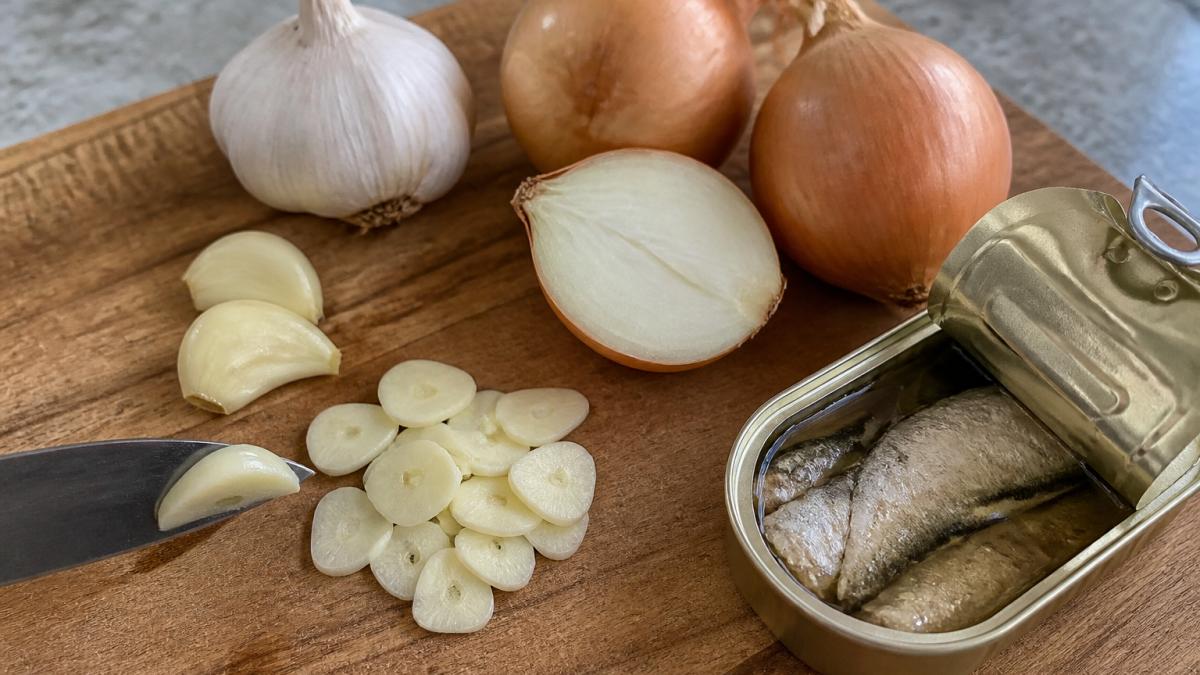
The challenge with these foods is that brushing and flossing alone won't eliminate the odor. Learn which other foods to avoid for overall oral health Mouthwash masks it temporarily, but the sulfur compounds continue circulating in your body.
A common mistake is assuming that eating these foods occasionally won't matter. One meal with heavy garlic or onions can affect your breath. If you have important meetings or social events, timing matters.
Acidic and Sugary Foods That Worsen Halitosis
Acidic foods like tomato sauce, citrus fruits, and pickles lower your mouth's pH, creating an environment where odor-producing bacteria thrive, which is why foods cause bad breath through this acidic mechanism.
When you eat sugary foods or drinks, the bacteria in your mouth consume the sugar and produce acids as a byproduct. These acids further lower your mouth's pH and create conditions for bacterial overgrowth. The result can be persistent halitosis because the bacteria population may remain elevated as long as sugar keeps feeding them.
Pasta sauce and tomato-based foods are particularly problematic because they combine acidity with the tendency to stick to your teeth and gums. Particles lodge between teeth and below the gumline, where bacteria feed on them for hours. The acidic environment prevents your saliva from neutralizing the odor-producing compounds, so the smell lingers.
Citrus fruits like lemons and grapefruit have an acidic effect. While they're often promoted as "breath-freshening" because of their flavor, their acidity can contribute to conditions where bacteria that cause halitosis may thrive. Lemons and limes are especially acidic, dropping your mouth's pH significantly after consumption.
Coffee, Tea, Alcohol, and Dairy
Coffee and tea create bad breath through two mechanisms: their acidity lowers your mouth's pH, and they cause dry mouth by reducing saliva production. Saliva is your mouth's natural defense against odor-producing bacteria. When coffee or tea dries your mouth, bacteria multiply unchecked.
Alcohol has a drying effect, which can contribute to persistent bad breath. Alcohol reduces saliva production significantly, and the longer you consume it, the more pronounced the dry mouth becomes. Dry mouth creates an ideal environment for bacterial overgrowth, leading to halitosis that can persist for hours or even into the next day.
Dairy products like milk and cheese contain proteins and lactose. For people with lactose intolerance or sensitivity, dairy ferments in the digestive system, producing gas and odor that travels through your bloodstream to your lungs.
The combination of these foods makes the problem worse. Coffee with cream, alcohol with cheese, or tea with milk compounds the drying effect and feeds the bacteria simultaneously. If you consume these foods together, you may experience persistent bad breath.
How to Treat Chronic Bad Breath Beyond Diet
Dietary changes alone may not eliminate chronic halitosis. Persistent bad breath can signal an underlying issue: bacterial overgrowth in your mouth, dry mouth from a medical condition, or gum disease that requires professional attention.
Improving your oral hygiene routine is the first step beyond diet. Brush gently along your gumline where bacteria accumulate, use floss or an interdental cleaner to reach spaces your brush misses, and clean your tongue where odor-producing bacteria concentrate. Many people skip tongue cleaning, but bacteria can thrive there.
Natural oral care products designed to address bacterial overgrowth can support your routine. PROTEITH® Oral Hygiene System for Healthy Gums - All-Natural Toothpowder uses proteolytic technology to break down the proteins that odor-producing bacteria feed on, reducing the bacterial population without harsh abrasives. The plant-based formula supports healthy gums and fresher breath as part of daily care. (Source: American Dental Association's recommendations)
PROTEITH® Oral Hygiene System for Healthy Gums – All-Natural Toothpowder →

If your bad breath persists despite dietary changes and improved oral hygiene, see a dentist. Persistent halitosis can indicate gum disease, tooth decay, or a systemic issue like dry mouth from medication or diabetes. A dental professional can identify the underlying cause and recommend appropriate treatment.
Foods That Fight Bad Breath and Support Oral Health
Not all foods worsen bad breath. Some actively fight it by supporting oral health and reducing bacterial overgrowth. Apples, carrots, and celery are high in fiber and water content. Chewing them stimulates saliva production, which naturally neutralizes odor-producing compounds and washes away food particles and bacteria. These crunchy foods also mechanically clean your teeth as you eat them.
Water is your most powerful tool for fighting bad breath. Staying hydrated keeps your saliva production high, and saliva is your mouth's primary defense against odor-producing bacteria. Drinking water throughout the day, especially after meals and after consuming acidic or sugary foods, helps neutralize your mouth's pH and wash away bacterial food sources.
Research on saliva's role in oral health shows that adequate saliva production is essential for preventing both bad breath and tooth decay. If you experience dry mouth, drinking more water and staying hydrated should be your first intervention.
Yogurt with live cultures supports oral health differently than other dairy products. The beneficial bacteria in yogurt may help balance your mouth's bacterial population. Eating yogurt regularly may help maintain healthier oral bacteria.
Natural Remedies for Halitosis and When to See a Dentist
Water rinses are the simplest natural remedy. After meals, especially after eating foods that cause bad breath, rinse your mouth thoroughly with water. This removes food particles and dilutes the acids that feed bacteria.
EXTERNAL_LINK: Oral Probiotics vs Traditional Mouthwash for Systemic Health explores how natural oral care approaches compare to conventional options. Oral probiotics introduce beneficial bacteria that may compete with odor-producing species, potentially supporting microbial balance.
Gentle brushing with a soft-bristled toothbrush is essential. Hard brushing damages your gums and creates spaces where bacteria hide, worsening bad breath. Brush along your gumline at a 45-degree angle, using light pressure.
Flossing or using an interdental cleaner reaches bacteria and food particles your toothbrush cannot access. These spaces below your gumline are where persistent bad breath often originates. Daily flossing is an effective natural remedy for halitosis because it removes bacterial food sources.
See a dentist if your bad breath persists despite dietary changes and improved oral hygiene, if you notice bleeding or swelling gums, or if you experience dry mouth that doesn't improve with increased water intake.
Building a Breath-Friendly Daily Routine
A breath-friendly routine starts with awareness of which foods trigger your halitosis. Keep a simple log for one week: note what you eat and when you notice bad breath. You'll likely see patterns.
Timing your meals matters. Eat foods that cause bad breath earlier in the day rather than before important meetings or social events.
Maintain consistent oral hygiene regardless of what you eat. Brush twice daily with a soft-bristled toothbrush, floss daily, and clean your tongue. These habits are your foundation for preventing persistent bad breath.
Stay hydrated throughout the day. Drink water consistently, especially after meals and after consuming acidic, sugary, or protein-rich foods. Adequate hydration keeps your saliva production high, which is your mouth's natural defense against odor-producing bacteria.
| Strategy | Frequency | Impact on Breath |
|---|---|---|
| Brush gently along gumline | Twice daily | Removes bacteria before overgrowth |
| Floss or use interdental cleaner | Daily | Eliminates bacteria in spaces brush cannot reach |
| Drink water after meals | After eating | Neutralizes acids and washes away food particles |
| Eat breath-fighting foods | Daily | Stimulates saliva and reduces bacterial food sources |
| Avoid trigger foods before events | As needed | Prevents temporary and persistent bad breath |
| Clean tongue thoroughly | Twice daily | Removes concentration of odor-producing bacteria |
Consider incorporating EXTERNAL_LINK: 5 Ways to Freshen Breath Without Artificial Additives into your routine for natural approaches beyond standard brushing and flossing. Natural oral care products designed for breath freshening can support your daily habits without harsh chemicals.
Persistent bad breath often feels like a personal hygiene problem, but it's frequently a dietary issue combined with bacterial overgrowth. Understanding which foods trigger your halitosis and addressing the underlying bacterial causes gives you control over your breath.
Frequently Asked Questions
How long does bad breath from foods like garlic and onions actually last?
Temporary food odors from garlic and onions typically fade within 24 to 48 hours as the food is digested and compounds leave your system through normal elimination. However, sulfur compounds can linger in your mouth and bloodstream longer than you might expect. Persistent bad breath that continues beyond a few days after eating these foods, or breath odor that appears without a recent meal, suggests an underlying cause such as dry mouth, bacterial overgrowth, or gum disease that warrants a dental evaluation.
Can diet alone cause chronic halitosis, or is there always something else going on?
Diet alone rarely causes chronic halitosis lasting weeks or months. While foods that cause bad breath like canned fish, protein-rich foods, and dairy can trigger temporary odors, persistent bad breath usually involves non-food factors: dry mouth reducing saliva flow, odor-producing bacteria thriving in your mouth, gum disease, or underlying health conditions. If you notice bad breath that persists even when you avoid trigger foods, or if it worsens despite good oral hygiene, consult your dentist to rule out gum disease or other causes requiring professional care.
What's the best way to freshen breath after eating foods that cause bad breath?
Rinse your mouth with water immediately after eating trigger foods like garlic, onions, or canned fish to remove food particles and reduce odor-producing bacteria. Brush gently along your gumline with a soft-bristled toothbrush and fluoride-free toothpowder like PROTEITH® Healthy Gums ($14.00), which is designed to clean without harsh abrasives. Floss to remove particles between teeth where bacteria hide. Chewing sugar-free gum or eating crunchy foods like apples and carrots can stimulate saliva production, which naturally fights odor. Staying hydrated supports saliva flow, which helps wash away bacteria and food debris.
Are foods that fight bad breath actually effective, or is it just marketing?
Foods that fight bad breath work by supporting oral health and saliva production rather than masking odor. Apples, carrots, and celery are crunchy foods that can help clean your teeth and stimulate saliva flow, which naturally reduces odor-producing bacteria. Water keeps your mouth moist and helps flush away food particles and bacteria. These foods complement good oral hygiene habits but do not replace brushing, flossing, and professional dental care. For persistent bad breath, pair dietary choices with a consistent routine using a gentle toothpowder and regular dental visits to address underlying causes.


