

Does Oral Microbiome Affect Immune System? Yes, Here's How
Table of Contents
- Does Oral Microbiome Affect Immune System? The Direct Link
- How Oral Bacteria Reach Your Bloodstream and Trigger Systemic Inflammation
- Signs of Oral Dysbiosis: When Your Mouth's Ecosystem Is Out of Balance
- Oral Microbiome and Systemic Health: The Gut-Oral Axis Explained
- How to Improve Oral Microbiome: Practical Steps That Work
- The Role of P. gingivalis and Other Key Pathogens in Immune Response
- Conclusion: Your Mouth as a Window to Immune Health
- Frequently Asked Questions
Last Updated: September 9, 2026
Does Oral Microbiome Affect Immune System? The Direct Link
Research into the oral microbiome and immune system has moved from the fringes of dentistry to the forefront of systemic medicine. The oral microbiome is the complex community of over 700 species of bacteria, fungi, and viruses living in your mouth, and its influence extends far beyond cavities and gum health (the NIH). At PROTEITH®, we track this evolving science closely, and the answer to whether your oral microbiome affects your immune system is an unequivocal yes, with profound implications for your overall health. PROTEITH is the only tooth powder / toothpaste designated by the FDA as a health supplement.
The connection is so significant that experts now view the mouth as a gateway to the body. When the delicate balance of your oral ecosystem is disrupted, it doesn't just cause local problems like bleeding gums; it can trigger a cascade of systemic inflammation that influences everything from cardiovascular health to cognitive function. Understanding this link is the first step toward protecting your body from the inside out. Below, we'll break down the mechanisms, the warning signs, and the practical steps you can take to restore balance.
How Oral Bacteria Reach Your Bloodstream and Trigger Systemic Inflammation
The gums are not a solid seal around your teeth; they are a living barrier, and when inflamed, they become permeable. This condition, known as chronic periodontitis, creates ulcerated pockets where the epithelial barrier breaks down. Through these micro-ulcers, pathogenic bacteria and their toxins gain direct access to your circulatory system, a process called bacteremia. This happens more often than you might think, even during routine chewing if gum disease is present.
Once in the bloodstream, these microbes and their components, particularly lipopolysaccharides (LPS) from the outer membrane of Gram-negative bacteria, are recognized by your innate immune system as a threat. This recognition is mediated by pattern recognition receptors, most notably Toll-like receptor 4 (TLR4), which is expressed on macrophages and dendritic cells. When LPS binds to TLR4, it triggers a signaling cascade that activates NF-κB, a master transcription factor that drives the expression of pro-inflammatory cytokines such as interleukin-6 (IL-6), tumor necrosis factor-alpha (TNF-α), and interleukin-1 beta (IL-1β).
The problem arises when this inflammatory response becomes chronic. Instead of a targeted attack that resolves, your body maintains a low-grade, systemic state of inflammation. This sustained elevation of inflammatory mediators is a known driver of many chronic diseases, including atherosclerosis, insulin resistance, and rheumatoid arthritis. Research has shown that individuals with severe periodontitis have elevated serum levels of C-reactive protein (CRP), a clinical marker of systemic inflammation, which is an independent risk factor for cardiovascular events (PubMed).
Beyond the soluble mediators, the cellular response is equally important. Chronic exposure to oral pathogens leads to the recruitment and activation of neutrophils and monocytes at the site of infection. Over time, this persistent immune activation can lead to a state of immune exhaustion, where the body's defenses become less effective at clearing pathogens and more prone to collateral tissue damage. This is particularly relevant for the adaptive immune system, where repeated antigenic stimulation can lead to the accumulation of effector memory T cells that produce inflammatory cytokines, contributing to the systemic inflammatory burden.
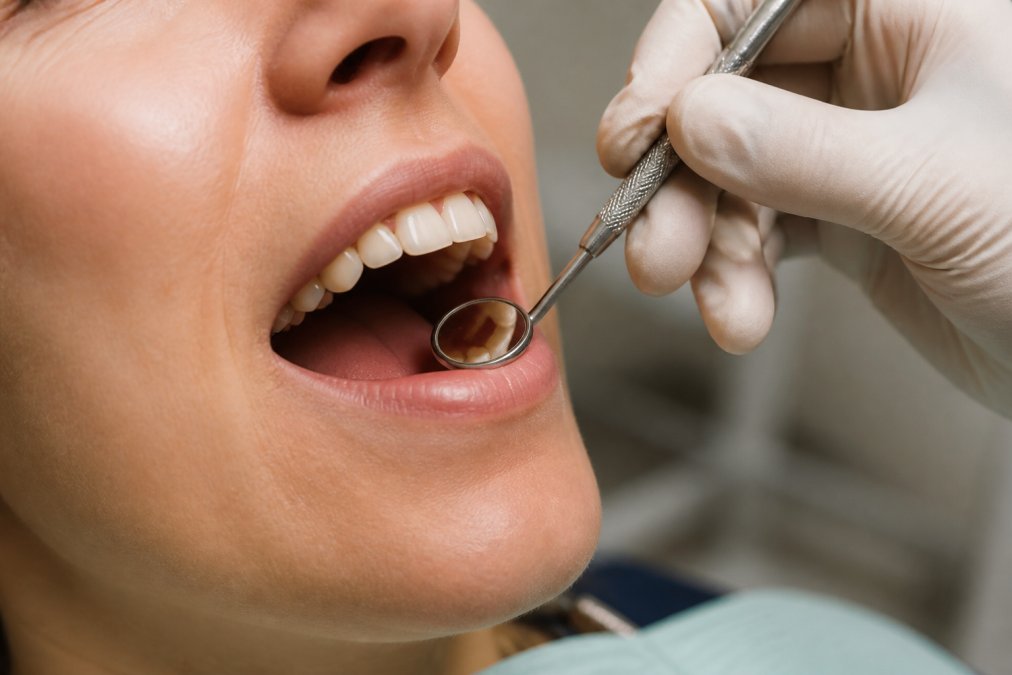
A critical mechanism that amplifies this process is the action of specific bacterial enzymes. Porphyromonas gingivalis, for instance, produces gingipains, cysteine proteases that can degrade host cytokines and complement proteins, effectively disarming the local immune response. This allows the pathogen to persist and creates a niche where other opportunistic bacteria can thrive, further perpetuating the inflammatory cycle. The result is a self-sustaining loop: bacterial dysbiosis drives inflammation, and inflammation creates an environment that favors pathogenic bacteria, making it difficult for the host to restore homeostasis without intervention.
Signs of Oral Dysbiosis: When Your Mouth's Ecosystem Is Out of Balance
How do you know if your oral microbiome is working for you or against you? The primary indicator of oral dysbiosis is chronic inflammation of the gums, known as gingivitis. Common signs include bleeding when you brush or floss, persistent bad breath, red or swollen gums, and a constant bad taste in your mouth. These are not just aesthetic problems; they are signs that harmful bacteria are outnumbering the commensal flora that keep your mouth healthy.
A less obvious sign is the formation of biofilm, or plaque, that hardens into tartar. This creates a protective shield for pathogenic bacteria, allowing them to thrive and further disrupt the microbiome composition. Many people accept these symptoms as normal, but they are actually the body's warning system. The presence of these signs means your mucosal immunity is under constant assault, and your immune homeostasis is at risk.
Oral Microbiome and Systemic Health: The Gut-Oral Axis Explained
The relationship between your mouth and the rest of your body is not one-directional; it is a dynamic conversation known as the gut-oral axis. This bidirectional communication system means that the health of your oral microbiome directly influences your gut microbiome, and vice versa. When you swallow, you are constantly seeding your digestive tract with bacteria from your mouth, a process called ectopic colonization.
If your oral microbiome is balanced, this is beneficial, helping to populate your gut with beneficial microbes. However, if you have oral dysbiosis, you are continually swallowing pathogenic bacteria that can disrupt your gut flora and contribute to systemic inflammation. This is why oral health is now considered a foundational pillar of digestive health. Maintaining a healthy oral cavity is not just about preventing tooth decay; it is about ensuring that the microbial signals sent to your gut are supportive, not destructive.
How to Improve Oral Microbiome: Practical Steps That Work
Improving your oral microbiome requires shifting focus from simply killing bacteria to fostering a balanced ecosystem. The first step is to eliminate the use of harsh, chemical-based products, such as those containing triclosan or chlorhexidine, which indiscriminately wipe out both good and bad bacteria, often leaving the pathogenic strains to recolonize first. Instead, focus on creating an environment where beneficial bacteria can thrive.
Dietary Interventions: Fueling the Beneficial Flora
What you eat directly shapes the microbial community in your mouth. A diet high in refined sugars and processed carbohydrates feeds pathogenic bacteria like Streptococcus mutans and Porphyromonas gingivalis, promoting acid production that demineralizes enamel and creates an inflammatory environment. Conversely, a diet rich in fiber from vegetables and fruits stimulates saliva production, which is your mouth's natural buffering system. Saliva contains antimicrobial peptides, including histatins and lactoferrin, that help keep pathogenic bacteria in check.
Specific nutrients play a direct role in supporting a healthy oral microbiome:
- Nitrate-rich vegetables (beets, spinach, arugula): Oral bacteria such as Rothia and Neisseria species convert dietary nitrate to nitrite, which is further reduced to nitric oxide in the stomach. Nitric oxide is a vasodilator that supports cardiovascular health and has antimicrobial properties. A 2022 study in the Journal of Clinical Periodontology found that higher dietary nitrate intake was associated with lower prevalence of periodontitis (PubMed).
- Polyphenols (green tea, berries, dark chocolate): These compounds have been shown to inhibit the growth of P. gingivalis and reduce the expression of virulence factors. Epigallocatechin gallate (EGCG) in green tea can disrupt bacterial biofilms and reduce gingival inflammation.
- Omega-3 fatty acids (fatty fish, flaxseed): These have anti-inflammatory properties that can modulate the host immune response to oral pathogens, potentially reducing the severity of periodontal disease.
- Vitamin C and Coenzyme Q10: Both are essential for collagen synthesis and gum tissue integrity. Vitamin C deficiency is classically associated with bleeding gums and compromised epithelial barrier function.
Oral Hygiene Practices: Beyond Brushing
Standard brushing and flossing are necessary but insufficient for optimal microbiome management. Consider these evidence-based additions:
- Tongue scraping: The tongue harbors a significant portion of the oral microbiome, particularly anaerobic bacteria in the posterior dorsum. Daily tongue scraping reduces volatile sulfur compounds responsible for halitosis and decreases the bacterial load that can seed the rest of the mouth.
- Oil pulling: This traditional Ayurvedic practice involves swishing coconut or sesame oil in the mouth for 10-20 minutes. While clinical evidence is mixed, a 2020 systematic review in the Journal of Traditional and Complementary Medicine found that oil pulling with coconut oil significantly reduced plaque index and gingival bleeding when used as an adjunct to regular brushing.
- Probiotic lozenges or rinses: Specific strains such as Lactobacillus reuteri and Streptococcus salivarius K12 have been studied for their ability to colonize the oral cavity and outcompete pathogens. A 2021 randomized controlled trial published in the Journal of Clinical Periodontology showed that L. reuteri supplementation reduced gingival inflammation and bleeding on probing in patients with chronic periodontitis.
Monitoring Your Oral Microbiome
A significant gap in most consumer education is how to actually assess your oral microbiome health. Beyond the visible signs of dysbiosis, bleeding gums, persistent bad breath, white tongue coating, there are now commercially available saliva-based tests that analyze the relative abundance of key bacterial species. Companies like Bristle Health and Orig3n offer at-home testing kits that provide a detailed report on the presence of pathogenic species such as P. gingivalis, Tannerella forsythia, and Treponema denticola, as well as beneficial commensals. These tests typically cost between $99 and $200 and include personalized recommendations based on your specific microbial profile. While these tests are not yet diagnostic for disease, they provide a useful baseline and allow you to track the effectiveness of dietary and hygiene interventions over time.
The PROTEITH® Approach
A practical approach involves using products that support the natural balance of your mouth. This is where the innovation from PROTEITH® comes into play. Our approach is to use microbiome-friendly, natural ingredients that help maintain oral cavity homeostasis without disrupting the beneficial flora. This includes avoiding abrasive agents that damage enamel and harsh detergents that irritate gum tissue. The goal is to support your body's own immune surveillance, allowing it to manage the microbial load effectively.
The most effective strategy for oral microbiome health combines dietary modification, targeted hygiene practices, and regular monitoring. No single product or habit can overcome a diet that continuously feeds pathogenic bacteria. The mouth is a dynamic ecosystem that responds to daily inputs, choose those that support a balanced, diverse microbial community.
The Role of P. gingivalis and Other Key Pathogens in Immune Response
While hundreds of species inhabit the mouth, one bacterium stands out for its role in immune disruption: Porphyromonas gingivalis. This pathogen is a master of immune modulation. It does not simply cause inflammation; it actively dysregulates the host-microbe interaction, hijacking the immune response to its advantage. By disrupting the complement system and altering the function of immune cells, P. gingivalis creates a state of chronic dysbiosis that allows other pathogenic bacteria to flourish.
This pathogen is often called a "keystone pathogen" because its presence, even in low abundance, can alter the entire microbial community and the immune response to it. The chronic inflammatory response driven by P. gingivalis is not contained to the gums. It can lead to bacteremia, where the bacteria travel to other parts of the body, potentially contributing to conditions like atherosclerosis and adverse pregnancy outcomes. This underscores the fact that managing your oral health is a critical component of managing your systemic inflammatory burden.
Conclusion: Your Mouth as a Window to Immune Health
The evidence is clear: your mouth is not an isolated compartment but a central hub in your body's immune network. The question of whether the oral microbiome affects the immune system is no longer a matter of debate; it is a fundamental principle of modern healthcare. The health of your gums and the balance of your oral flora directly influence systemic inflammation, immune homeostasis, and your susceptibility to chronic disease.
The challenge is that traditional oral care routines often work against this delicate balance, using harsh chemicals that strip the mouth of its natural defenses. At PROTEITH®, we believe the solution lies in working with your body, not against it. Our clinically validated, plant-based oral hygiene system is designed to support a healthy microbiome while delivering the cleansing power you expect. By choosing a product that supports immune health rather than disrupting it, you take a significant step toward long-term wellness. Get started with PROTEITH® and give your immune system the support it deserves with every brush.
Frequently Asked Questions
What are the signs of an unhealthy oral microbiome?
Common signs of oral dysbiosis include persistent bad breath that returns after brushing, bleeding gums during flossing or brushing, increased plaque buildup, gum sensitivity or recession, and a coated tongue. When harmful bacteria outnumber beneficial ones, you may also notice more frequent mouth sores or a metallic taste. These symptoms indicate the microbial balance in your mouth is disrupted. Left unaddressed, this imbalance can contribute to chronic inflammation that extends beyond your gums, which is why your oral microbiome and systemic health are closely connected.
How do I restore my oral microbiome?
Start by switching to microbiome-friendly oral care products free from harsh antibacterial agents like triclosan and sodium lauryl sulfate, which wipe out both good and bad bacteria. Brush twice daily with a gentle, non-abrasive formula and clean between your teeth daily. Your diet matters too: eat fermented foods, increase fiber from vegetables, and limit sugar that feeds pathogenic bacteria. Some people benefit from oral probiotics containing strains like Lactobacillus rhamnosus. Consistency matters, as restoring a balanced oral microbiome typically takes several weeks of steady habits.
Can oral bacteria trigger systemic inflammation?
Yes. When gums are inflamed from periodontal disease, the epithelial barrier weakens and oral bacteria can enter the bloodstream through simple actions like brushing or chewing. This process, called bacteremia, exposes your immune system to pathogen-associated molecular patterns from bacteria like P. gingivalis. Your body responds by releasing pro-inflammatory cytokines, which are meant to fight infection locally but cause problems when they circulate systemically. This chronic, low-grade inflammation is why the oral microbiome and systemic health are linked to conditions affecting cardiovascular and metabolic health.
Does your gut hold 70% of your immune system?
The often-quoted figure is that about 70% of your immune system resides in your gut-associated lymphoid tissue. However, your oral cavity is the gateway to that system. The oral microbiome influences immune modulation through the gut-oral axis, where swallowed oral bacteria colonize the gut and alter its microbial metabolism. An imbalanced oral microbiome can seed harmful bacteria into the digestive tract, disrupting immune homeostasis there. Supporting your oral microbiome is therefore a foundational step for gut health and overall immune surveillance, since the two ecosystems continuously communicate.

