

Best Natural Alternative to Toothpaste: 2026 Guide
Table of Contents
- Why Switch to a Natural Alternative to Toothpaste?
- Baking Soda vs. Coconut Oil: Pros and Cons
- Natural Ways to Remove Teeth Stains Without Enamel Damage
- DIY Toothpaste Safety Risks You Need to Know
- Microbiome-Friendly Oral Care: Beyond Abrasives
- How to Transition Without Damaging Your Gums
- Conclusion: Choosing the Best Natural Option for You
- Frequently Asked Questions
Last Updated: September 5, 2026
Why Switch to a Natural Alternative to Toothpaste?
Most commercial toothpastes rely on harsh abrasives, synthetic detergents like sodium lauryl sulfate, and artificial additives that can disrupt the delicate balance of bacteria in your mouth. A natural alternative to toothpaste focuses on supporting your oral microbiome rather than stripping it, which is why many people who switch report healthier gums and less sensitivity.
The real question isn't whether natural options work, but which one addresses your specific concerns without causing unintended damage. Many natural ingredients offer genuine benefits, yet some popular DIY recipes carry real risks, particularly for tooth enamel.
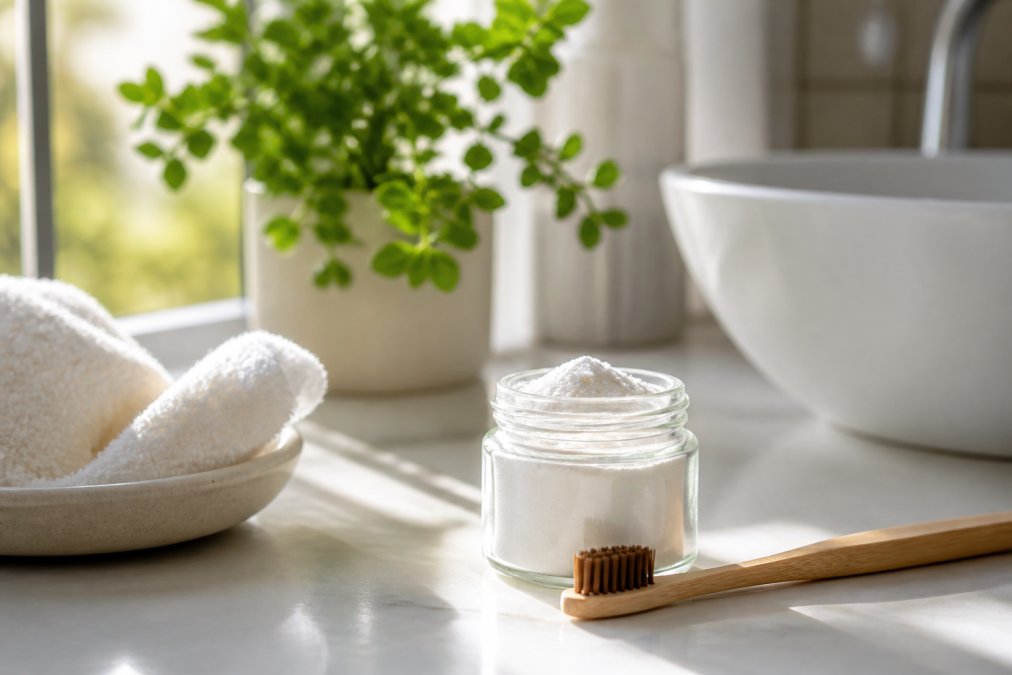
Baking Soda vs. Coconut Oil: Pros and Cons
Two ingredients dominate the natural oral care conversation, and they work in fundamentally different ways. Baking soda is a mild abrasive with a high pH that neutralizes acids and physically disrupts plaque, while coconut oil is a base for oil pulling, a practice that uses swishing to pull bacteria and debris from between teeth.
Baking soda (sodium bicarbonate):
- Effectively removes surface stains and plaque through gentle abrasion
- Neutralizes acids that contribute to enamel erosion and tooth decay prevention
- Naturally antibacterial and deodorizing
- Drawback: Overuse can be abrasive; its gritty texture may wear down enamel over time if you brush aggressively
Coconut oil (for oil pulling):
- Supports gingival health by reducing harmful bacteria when swished for 10-20 minutes
- Non-foaming and gentle on sensitive tissues
- Drawback: Does not remove surface stains effectively and requires a separate brushing step for plaque removal
The choice depends on your primary concern. If stain removal drives you, baking soda wins. If gum sensitivity and microbiome balance matter more, oil pulling with coconut oil is a gentler daily practice.
Natural Ways to Remove Teeth Stains Without Enamel Damage
Surface stains from coffee, tea, and wine respond well to gentle polishing agents, but aggressive scrubbing with harsh abrasives can permanently thin your enamel. The key is choosing ingredients with a low RDA value, which measures abrasiveness on a scale relative to standard toothpaste.
- Calcium carbonate: A naturally occurring mineral that polishes surface stains gently. It is a common ingredient in natural tooth powders because it breaks down more easily than baking soda.
- Strawberries and baking soda paste: The malic acid in strawberries can help lift stains, but use this sparingly. Acid combined with abrasion can soften enamel if applied too frequently or left on too long.
- Hydrogen peroxide (low concentration): A natural antiseptic and whitening agent. Use only in very diluted forms, as higher concentrations can irritate oral mucosa and cause dentin sensitivity.
For a more comprehensive approach that removes stains while supporting gum health, many users turn to tooth powders that combine gentle abrasives with proteolytic enzymes. This is where research on enzymatic dental cleaning shows promise, as enzymes can break down protein-based stains without any mechanical abrasion at all.
DIY Toothpaste Safety Risks You Need to Know
The internet is full of recipes that blend essential oils, bentonite clay, and charcoal into pastes, but not all of these are safe for daily use. The most significant DIY toothpaste safety risks involve enamel damage, improper pH balance, and ingredient toxicity, largely because most recipes ignore the Relative Dentin Abrasivity (RDA) scale.
Understanding RDA Values
The American Dental Association (ADA) considers an RDA value of 250 or below to be safe for daily use (the American Dental Association). Standard toothpastes range from 70-150, but many DIY ingredients fall outside this range. Pure baking soda has a low RDA of approximately 7, yet when mixed into a thick paste and applied with heavy pressure, its effective abrasivity increases significantly. Activated charcoal is a major concern: while its RDA isn't officially standardized due to variable particle size, studies show it can be significantly more abrasive than standard toothpaste, with some estimates placing its effective RDA well above 250. This can scratch and thin enamel, leading to sensitivity and a more yellow appearance as dentin becomes visible.
The pH Pitfall
Enamel demineralization is also a chemical process driven by pH. Your mouth maintains a near-neutral pH of around 6.5 to 7.0, but when it drops below the critical threshold of 5.5, the mineral structure of your teeth begins to dissolve. Many DIY whitening recipes call for acidic ingredients like lemon juice (pH ~2) or apple cider vinegar (pH ~2-3), which soften enamel and make it far more susceptible to abrasion. A common recipe combines lemon juice with baking soda: the acid demineralizes the enamel, and the baking soda scrubs away the softened layer, leading to irreversible enamel loss.
Ingredient Toxicity and Systemic Effects
Beyond enamel, there are systemic risks. Essential oils like tea tree, clove, and wintergreen are potent bioactive compounds; undiluted, they can burn oral mucosa and cause contact dermatitis, and when swallowed in significant amounts, some can be toxic. Bentonite clay is generally safe but can dry oral tissues and may contain trace heavy metals depending on its source.
A Safer Framework for DIY
If you are set on a DIY approach, stick to a simple, low-abrasion base like calcium carbonate (RDA around 40-50) and avoid acidic additives entirely. You can add a small amount of xylitol for its anti-cavity properties. But for most people, the safest path is a commercially formulated natural toothpaste tested for both abrasivity and pH balance.
Microbiome-Friendly Oral Care: Beyond Abrasives
A natural alternative to toothpaste should do more than clean; it should support the complex ecosystem of bacteria that protects your mouth from pathogens. This is the concept of microbiome-friendly oral care, a fundamental shift from the "kill everything" approach of traditional antiseptic mouthwashes and antibacterial toothpastes.
The Mechanics of a Healthy Oral Ecosystem
Your mouth is home to over 700 species of bacteria, and the composition of this community matters more than its total count. A healthy microbiome is dominated by commensal bacteria like Streptococcus salivarius and various Rothia species, which regulate saliva pH, produce antimicrobial peptides, and physically crowd out harmful species like Streptococcus mutans and Porphyromonas gingivalis.
Traditional products often rely on broad-spectrum antibacterial agents like chlorhexidine, triclosan, or cetylpyridinium chloride. These are effective but non-selective, wiping out beneficial flora along with pathogens and creating a biological vacuum vulnerable to recolonization by aggressive, acid-producing strains, leading to a rebound effect where bad breath or plaque returns worse than before.
How Natural Ingredients Interact with the Microbiome
Natural alternatives work on a different principle. Instead of a scorched-earth approach, they aim to create an environment where beneficial bacteria can thrive and outcompete pathogens. Here’s how specific ingredients achieve this:
- Xylitol: This natural sugar alcohol is a game-changer. Harmful bacteria like S. mutans cannot metabolize xylitol for energy. When they consume it, they expend energy without gaining any, effectively starving them. This reduces their ability to produce the acids that demineralize enamel and the sticky glucans they use to adhere to teeth. Beneficial bacteria, however, are largely unaffected, allowing them to maintain their population.
- Prebiotic Fiber (e.g., Inulin, Arginine): These are food sources for your good bacteria. Arginine, in particular, has been shown to be metabolized by certain beneficial Streptococci species into ammonia. This raises the local pH, creating an alkaline environment that is hostile to acid-loving pathogens but perfect for beneficial flora.
- Nitrate-Rich Ingredients (e.g., Beet Root Extract): Some beneficial bacteria in the mouth convert dietary nitrates into nitrites, which are then converted to nitric oxide in the body. Nitric oxide is a vasodilator that improves blood flow to the gums, which is crucial for gum health and fighting inflammation. This is a systemic benefit that no antibacterial mouthwash can offer.
The Remineralization Connection
This is where the microbiome story connects directly to enamel health. A balanced microbiome naturally maintains a neutral pH, which is the optimal condition for remineralization. When you introduce a remineralizing agent like hydroxyapatite (the same calcium phosphate mineral that makes up 97% of your tooth enamel), you are not just patching up weak spots; you are providing the building blocks for your teeth to repair themselves. clinical research on hydroxyapatite for remineralization shows that hydroxyapatite particles integrate directly into the enamel lattice, filling in microscopic lesions caused by early acid attacks. Unlike fluoride, which works by forming a harder, but different, mineral (fluorapatite), hydroxyapatite is biologically identical to your natural enamel. This means it is fully biocompatible and does not disrupt the oral microbiome's balance.
For those seeking a fluoride-free option with cavity protection and enamel support, hydroxyapatite-based formulas are the most evidence-backed choice, offering the dual benefit of physically strengthening teeth while supporting a healthy oral microbiome.
How to Transition Without Damaging Your Gums
Switching from conventional toothpaste to a natural alternative can cause an adjustment period. Your gums may bleed slightly for the first week or two, and your mouth may feel different without the foaming action of sodium lauryl sulfate. This is normal, but there are ways to ease the transition.
Week 1-2: Start slowly. Begin by using your natural alternative every other day, alternating with your current toothpaste. This gives your oral microbiome time to rebalance. If you experience significant gum irritation, reduce frequency further.
Week 3-4: Commit fully. Once your mouth adjusts, use the natural product exclusively. Many people report that bleeding gums, a sign of gingival inflammation, improve noticeably within this timeframe as the microbiome stabilizes.
Watch for signs of trouble. If your gums bleed heavily for more than two weeks, or if you develop persistent sores, stop and consult a dentist. Bleeding can indicate underlying periodontal disease that requires professional treatment, not just a change in toothpaste.
Conclusion: Choosing the Best Natural Option for You
The best natural alternative to toothpaste depends on your priorities: stain removal, gum health, microbiome balance, or environmental impact. Baking soda offers proven plaque removal but can be abrasive. Coconut oil supports gum health but does not whiten. Hydroxyapatite and xylitol-based formulas offer the most clinically supported path for enamel protection without fluoride.
For those who want a complete solution, PROTEITH® combines these principles into a single system. Our PROTEITH® Oral Hygiene System for Healthy Gums uses a fluoride-free tooth powder with xylitol and proteolytic technology to break down plaque and surface stains without abrasives. It is designed to support healthy gums, reduce bleeding, and freshen breath, while the PROTEITH® Sport formula adds enhanced stain removal for active lifestyles.


Whichever route you choose, prioritize enamel safety and listen to your body. A natural alternative to toothpaste should leave your mouth feeling clean, balanced, and free of irritation, not stripped or raw. Get started with PROTEITH® and give your gums the support they deserve.
Frequently Asked Questions
What is the healthiest alternative to toothpaste?
The healthiest natural alternative to toothpaste depends on your needs. Baking soda gently polishes surface stains, while coconut oil supports gum health. For a complete routine, consider a product like PROTEITH® tooth powder, which uses proteolytic technology and microbiome-friendly ingredients to clean without harsh abrasives. Look for options free from synthetic additives and with a low RDA value to protect enamel.
Do natural toothpaste alternatives affect enamel health?
Yes, they can, in both positive and negative ways. Some DIY recipes, like straight lemon juice or overly abrasive charcoal, can erode enamel over time. However, well-formulated natural alternatives use gentle polishers like calcium carbonate or hydroxyapatite, which can support remineralization. Always check the RDA value and avoid any paste that feels gritty or overly acidic.
What ingredients should I avoid in commercial toothpaste?
Many people switch to natural alternatives to avoid synthetic additives. Common ingredients of concern include artificial sweeteners, harsh detergents like sodium lauryl sulfate (SLS), and unnecessary preservatives. While fluoride is effective for cavity prevention, some prefer fluoride-free options. Focus on finding a product that is free from parabens and synthetic dyes, and choose one that supports your oral microbiome.
How long does it take to see results after switching to a natural alternative?
The timeline varies. You may notice fresher breath and a cleaner feeling immediately. Improvements in gum health, such as reduced bleeding, often appear within two to four weeks as your oral microbiome adjusts. Stain removal depends on the product's abrasive properties and your consistency. Give your mouth at least a month to adapt, and consult a dentist if you notice persistent sensitivity.

