

Proteolytic Enzymes for Teeth: Benefits & How They Work
Table of Contents
- What Are Proteolytic Enzymes and How Do They Work in Your Mouth
- Proteolytic Enzymes for Gum Health: Reducing Bleeding and Inflammation
- Bromelain and Papain for Teeth Whitening and Stain Removal
- Oral Microbiome Support: Balancing Bacteria for Long-Term Oral Health
- Post-Operative Recovery and Pain Management After Dental Procedures
- Safety Considerations and Potential Side Effects
- Incorporating Proteolytic Enzymes Into Your Daily Oral Care Routine
- Frequently Asked Questions
Last Updated: August 31, 2026
What Are Proteolytic Enzymes and How Do They Work in Your Mouth
Proteolytic enzymes are proteins that break down other proteins into smaller, more usable components. In your mouth, they degrade protein structures that contribute to plaque buildup, bacterial biofilms, and stain deposits on tooth surfaces through protein hydrolysis at the molecular level, making them fundamentally different from abrasive whitening methods.
The most commonly discussed proteolytic enzymes for oral health are bromelain (from pineapple) and papain (from papaya). Both are natural protease enzymes with proven bioavailability when absorbed through oral tissues. Unlike synthetic alternatives, these plant-based enzymes work synergistically with your mouth's natural salivary proteins and existing enzymatic environment.
Proteolytic enzymes degrade the protein matrix that holds plaque together while supporting your body's natural inflammatory response. At PROTEITH®, we've built our breakthrough formula around this understanding, combining proteolytic technology with microbiome-friendly ingredients to support both immediate oral hygiene and long-term systemic health. The enzyme activity happens through proteolysis, where peptide bonds in proteins are hydrolyzed, breaking down the sticky biofilm matrix that bacteria use to colonize your gums and tooth surfaces.

Proteolytic Enzymes for Gum Health: Reducing Bleeding and Inflammation
Bleeding gums signal that your oral microbiome is out of balance. Proteolytic enzymes address this by degrading the protein structures that pathogenic bacteria use to establish themselves. When you reduce the biofilm's structural integrity, you reduce the bacterial load driving inflammation.
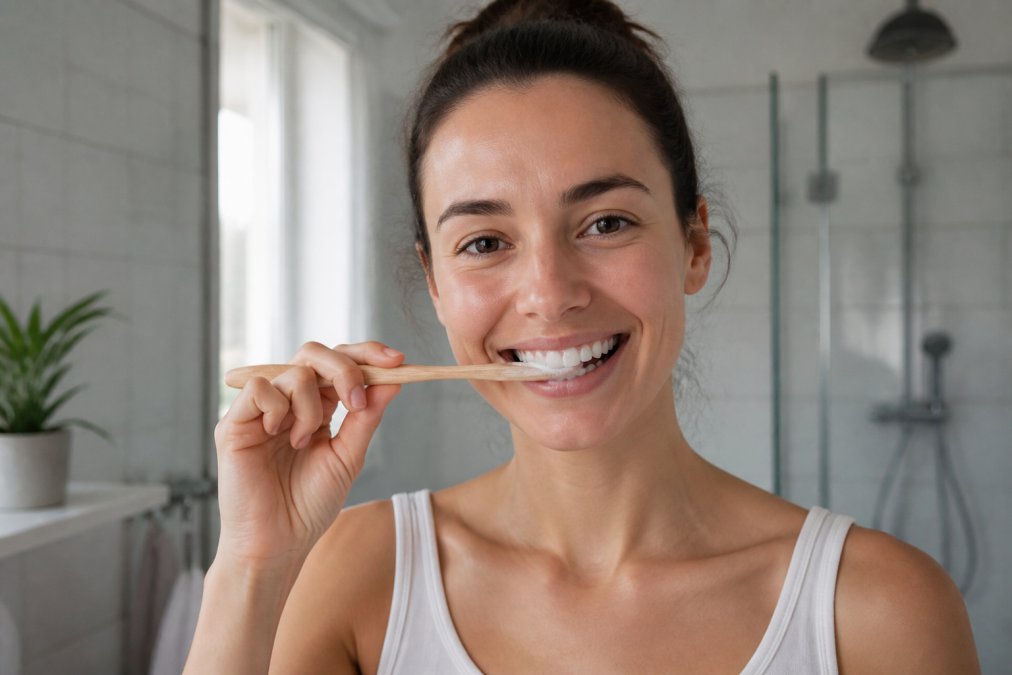
Bromelain has been studied for its ability to modulate cytokine production, the signaling molecules that trigger swelling and bleeding (peer-reviewed research). By reducing the inflammatory stimulus, you're giving your gums a chance to heal. Many people report noticing less bleeding within two to three weeks of consistent use.
Papain works through slightly different enzymatic mechanisms and is particularly effective at breaking down the salivary pellicle, the protein layer that naturally coats your teeth. A degraded pellicle cleaned of pathogenic biofilm is healthier than one colonized by disease-causing bacteria.
Periodontal health depends on maintaining the right bacterial balance. When pathogenic species like Porphyromonas gingivalis dominate, they produce toxins that trigger inflammation (peer-reviewed research). Proteolytic enzymes reduce the protein-based infrastructure these bacteria depend on, creating conditions where beneficial bacteria can reestablish themselves. PROTEITH® formulations emphasize microbiome support alongside enzymatic action, you're rebalancing the ecosystem, not just killing bacteria.
Bromelain and Papain for Teeth Whitening and Stain Removal
Tooth stains form when chromogenic compounds bind to the protein matrix on your tooth surface. Coffee, wine, and tobacco stains embed themselves in the pellicle and biofilm coating your teeth. Proteolytic enzymes dissolve the protein structure holding stains in place, allowing stain particles to rinse away naturally.
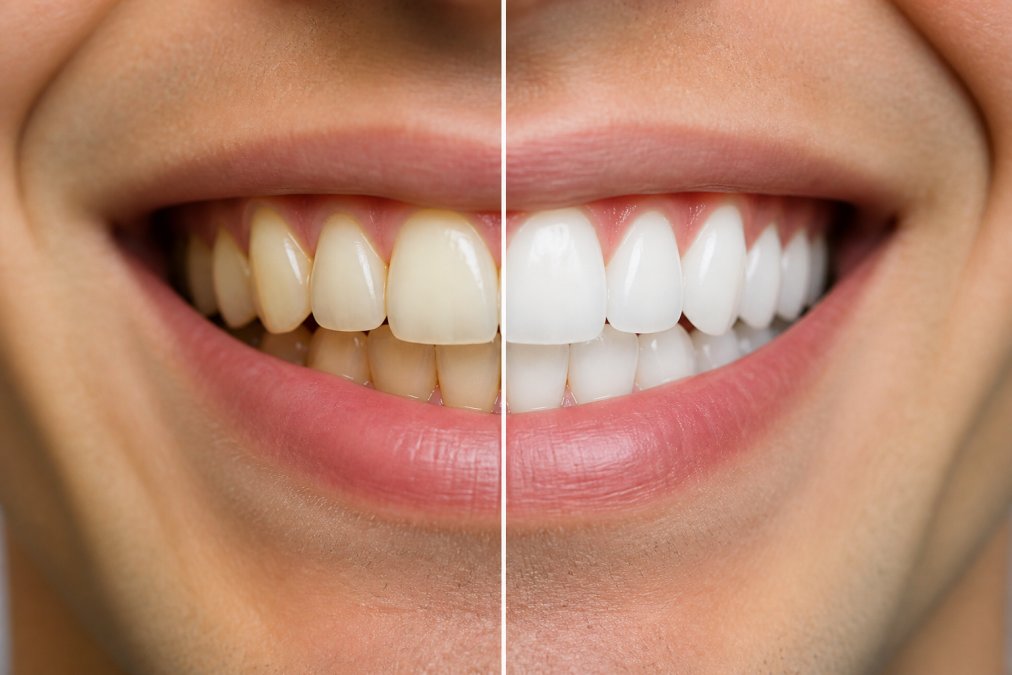
Bromelain and papain excel at stain degradation by targeting the protein matrix that anchors discoloration. This mechanism is gentler on enamel than abrasive scrubbing and more selective than aggressive bleaching, it targets protein structures while leaving your tooth structure intact.
The whitening effect typically becomes visible after two to four weeks of consistent use. You won't see dramatic bleaching results, but you will notice your teeth returning to their natural brightness as surface stains clear. This is particularly effective for extrinsic stains rather than intrinsic discoloration.
Enzyme-based whitening avoids the oxidative stress of chemical bleaching. Bleaching agents create reactive oxygen species that break down pigment but also affect enamel mineralization. Proteolytic enzymes work on the protein layer without altering enamel structure. Using PROTEITH® Oral Hygiene System for Healthy Gums or PROTEITH® Oral Hygiene System for Sport daily gives enzymes time to work on biofilm and pellicle, preventing stain reaccumulation over time.

Oral Microbiome Support: Balancing Bacteria for Long-Term Oral Health
Your mouth hosts hundreds of bacterial species, and tooth health depends entirely on maintaining the right balance. When pathogenic species outnumber beneficial ones, they produce acids and toxins that erode enamel and inflame gums. Proteolytic enzymes support microbiome balance by selectively degrading the biofilm matrix that pathogenic bacteria depend on, without the broad-spectrum killing that antibacterial agents use.
This targeted approach matters because killing all bacteria indiscriminately leaves your mouth vulnerable to recolonization by aggressive species. Proteolytic enzymes weaken the structural support pathogenic biofilms need, allowing your immune system and beneficial bacteria to outcompete them naturally.
The enamel pellicle plays a crucial role in microbiome health. A healthy pellicle supports beneficial bacteria while resisting colonization by pathogens. When saturated with bacterial biofilm, pathogenic species take over. Proteolytic enzymes keep this interface clean by removing the old, bacteria-laden pellicle so a fresh, protective one can form. This cycle of degradation and renewal maintains long-term oral health.
Reducing the inflammatory environment also favors beneficial species. When your gums are constantly inflamed, tissue damage creates pockets where anaerobic bacteria thrive. By reducing inflammation through enzymatic action, you create conditions where aerobic, beneficial bacteria establish themselves. Proteolytic enzymes for gum health and microbiome support are interconnected.
Post-Operative Recovery and Pain Management After Dental Procedures
Dental procedures trigger inflammation and tissue damage that your body must repair. Proteolytic enzymes accelerate recovery by reducing post-operative swelling and supporting the protein remodeling that happens during tissue healing. After extractions, implants, or deep cleanings, your mouth enters a critical healing window where inflammation management directly impacts outcomes.
Proteolytic enzymes reduce the inflammatory mediators that cause swelling and pain. When you have a wound, your immune system floods the area with inflammatory signals to recruit healing cells. Excessive inflammation causes unnecessary pain and can delay recovery. Enzymes like bromelain and papain modulate this response by breaking down inflammatory proteins and supporting the transition from acute inflammation to tissue repair.
Enzymatic pain management differs from pharmaceutical options in mechanism. NSAIDs block pain signals and reduce inflammation but slow some aspects of tissue repair. Proteolytic enzymes work with your body's healing process rather than against it, reducing the inflammatory stimulus while supporting the protein remodeling that genuine healing requires.
Start enzymatic support immediately after a procedure, within hours if possible. Consistent use for the first week post-op, then tapering as healing progresses, matches the natural inflammation timeline. PROTEITH® products are designed to support this protocol through their formulation of proteolytic enzymes and complementary microbiome-friendly ingredients.
Safety Considerations and Potential Side Effects
Proteolytic enzymes are generally well-tolerated, but understanding potential interactions and contraindications is essential. The most common concern is interaction with anticoagulant medications. Bromelain and papain have mild blood-thinning properties, so if you're taking warfarin, aspirin, or other anticoagulants, consult your healthcare provider before use (peer-reviewed research).
Allergic reactions are rare but possible, particularly if you have existing sensitivities to pineapple or papaya. If you experience swelling of the lips, tongue, or throat, or difficulty breathing, discontinue use and seek medical attention.
Proteolytic enzymes work on the protein matrix, not the mineral structure of enamel, so they don't demineralize your teeth the way acidic foods or bleaching agents do. Current evidence suggests that normal use of proteolytic enzyme products doesn't pose enamel safety risks. Using products specifically formulated for oral health, like PROTEITH®, rather than high-dose systemic enzyme supplements reduces concerns.
Some people experience temporary gum sensitivity when starting proteolytic enzymes, particularly if they have existing gum disease. This typically resolves within a few days. If sensitivity persists beyond a week, reduce frequency of use or consult a dental professional.
Proteolytic enzymes should not be used by people with bleeding disorders or those scheduled for surgery within two weeks. Pregnant and nursing individuals should consult their healthcare provider before use.
Incorporating Proteolytic Enzymes Into Your Daily Oral Care Routine
Adding proteolytic enzymes to your routine requires a strategic approach to maximize effectiveness. Consistency matters more than intensity, with most people seeing meaningful results after three to four weeks of daily use.
The simplest approach is replacing your standard toothpaste with a proteolytic enzyme-based formula. PROTEITH® Oral Hygiene System for Healthy Gums delivers proteolytic enzymes directly to your gums and teeth twice daily through normal brushing. The formulation is fluoride-free, abrasive-free, and packed with microbiome-friendly ingredients that work synergistically with the enzymes.
For those focused on stain removal and athletic performance, PROTEITH® Oral Hygiene System for Sport offers enhanced enzyme concentration alongside immune system support. Both formulations cost $14.00 and are designed to replace your existing toothpaste entirely.
If you prefer to keep your existing toothpaste, you can supplement with a separate proteolytic enzyme product, though this is less efficient. Most practitioners recommend switching to an enzyme-based formula rather than layering products.
Using proteolytic enzymes immediately after eating gives them maximum contact time with food debris and biofilm. However, using them right before bed, when saliva production drops and enzymes have hours to work, is equally significant. Consistency twice daily is more important than perfect timing.
For post-operative use, increase frequency to three times daily during the first week, then taper to twice daily. Track your results over four weeks, looking for reduced bleeding when you floss, less gum sensitivity, and visible stain reduction. Most people notice improvement within two weeks, but full benefits typically emerge after a month of consistent use.
Chronic gum bleeding and staining are often signs that your current approach isn't addressing the underlying biofilm and bacterial imbalance. Proteolytic enzymes work differently than traditional toothpaste because they target the protein structures that bacteria depend on. PROTEITH® combines breakthrough proteolytic technology with microbiome-friendly, natural ingredients to support healthy gums, remove stains, and strengthen your immune system through systemic absorption. Get started with PROTEITH® Oral Hygiene System for Healthy Gums and experience the difference that enzyme-based oral care delivers.
Frequently Asked Questions
What do proteolytic enzymes actually do for your teeth and gums?
Proteolytic enzymes break down proteins in your mouth, including those that bacteria use to form plaque and tartar. They help reduce gum bleeding and inflammation by clearing away protein-based buildup on tooth surfaces and along the gum line. Enzymes like bromelain (from pineapple) and papain (from papaya) also support your body's natural healing response, making them useful both for daily oral hygiene and post-dental procedure recovery.
Can bromelain and papain really whiten teeth, and how long does it take?
Bromelain and papain work by breaking down the protein matrix that holds stains to your tooth surface. Unlike abrasive whitening methods, they dissolve stain-causing buildup without damaging enamel. Results vary by individual, but many users report noticeable whitening within 2-4 weeks of consistent use. The PROTEITH® Oral Hygiene System for Sport is specifically formulated to maximize stain removal while supporting immune function.
Are there safety concerns or side effects from using enzyme-based oral care products?
Proteolytic enzymes are generally well-tolerated when used as directed. Some people experience mild sensitivity initially as enzymes clear away buildup, but this typically subsides. Avoid enzyme products if you have a known allergy to pineapple or papaya. If you take blood thinners or have bleeding disorders, consult your healthcare provider before use. Enzyme-based products are free from harsh abrasives and synthetic chemicals, making them a gentler alternative to traditional toothpaste for long-term use.
How do proteolytic enzymes support your oral microbiome?
Your oral microbiome consists of beneficial and harmful bacteria. Proteolytic enzymes selectively break down proteins that harmful bacteria need to thrive, reducing their ability to form biofilms and cause inflammation. Unlike antimicrobial chemicals that kill all bacteria indiscriminately, enzymes work more selectively, helping preserve your mouth's natural bacterial balance. This microbiome-friendly approach supports healthier gums and fresher breath without disrupting the beneficial bacteria your mouth needs.
This article was written using GrandRanker

